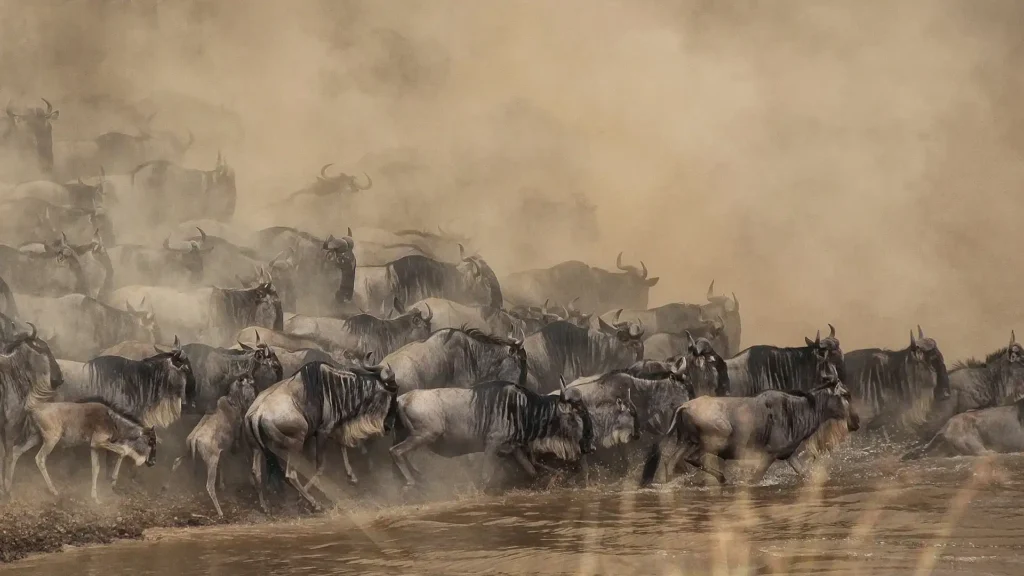
Best Time to See the Great Wildebeest Migration in Tanzania: A Complete Month-by-Month Guide
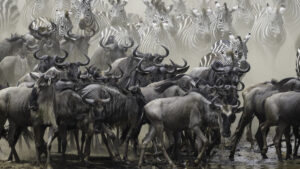
Every year, roughly two million wildebeest, zebra, and gazelle move in a giant circle across the Serengeti plains of Tanzania and into Kenya’s Masai Mara. This is the Great Wildebeest Migration — and it is widely regarded as one of the greatest wildlife spectacles on earth.
If you are planning a Tanzania safari and want to witness this incredible event, the most important question you need to answer is: when should you go?
The honest answer is that the wildebeest are always moving. The Great Migration is a year-round event — the herds never fully stop. But at different times of year, different things are happening, and different parts of the Serengeti are the best places to be.
In this guide, our team at Refresh Africa Tours — a locally owned safari company based in Arusha, Tanzania — will walk you through every month of the migration so you can choose the perfect time to witness this once-in-a-lifetime event.
Ready to book your migration safari? Browse our Serengeti safari packages here and we will plan the perfect itinerary for you.
Quick Answer: The Best Times to See the Wildebeest Migration
Because the migration is year-round, the best time depends on what you most want to see:
- For the dramatic Mara River crossings: Late July to October (North Serengeti)
- For the calving season and big cat action: January to March (South Serengeti / Ndutu)
- For the Grumeti River crossings: June to early July (Western Corridor)
- For fewer crowds with good sightings: November or April to May (shoulder months)
Each phase of the migration offers something different and extraordinary. There is no single ‘best’ time — it depends on what kind of experience you are looking for. Read on and we will help you decide.
Local Expert Tip from Refresh Africa Tours: We are based in Arusha, right at the heart of Tanzania’s safari circuit. Our guides spend time on the Serengeti throughout the year and know exactly where the herds are and when. When you book with us, we use real-time knowledge to put you in the right place at the right time.
What Is the Great Wildebeest Migration?
The Great Wildebeest Migration is the continuous, circular movement of approximately 1.5 to 2 million wildebeest, along with hundreds of thousands of zebra and gazelle, across the Serengeti-Mara ecosystem in Tanzania and Kenya.
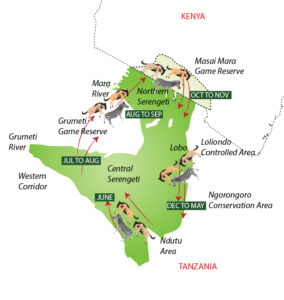
The animals follow the rains and the fresh grass that grows after rainfall. This takes them on a roughly clockwise route:
- South Serengeti and Ndutu (December to March) — calving season on the short grass plains
- Central and Western Serengeti (April to June) — heading north, Grumeti River crossings begin
- North Serengeti and Masai Mara, Kenya (July to October) — the dramatic Mara River crossings
- Eastern Serengeti (October to December) — returning south as the short rains begin
The exact timing shifts each year depending on when the rains fall. No two migration seasons are identical. That is what makes it so wild and so special.
The Serengeti National Park is the heart of the migration in Tanzania. Learn more about the Serengeti here and what makes it one of the most extraordinary places on earth.
The Great Wildebeest Migration: Month-by-Month Guide
January — Calving Season Begins in South Serengeti
January is a magical time to be in the southern Serengeti and the Ndutu area of the Ngorongoro Conservation Area. The herds have returned from their long journey north and are now concentrated on the short grass plains around Lake Ndutu, drawn by the fresh green grass that grows after the short rains.
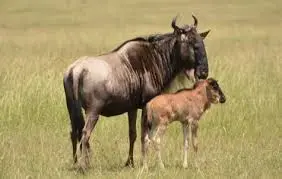
The calving season is just beginning. Around 8,000 wildebeest calves are born every single day during this period — one of the most remarkable sights in all of wildlife. The plains are dotted with newborns taking their first shaky steps within minutes of birth.
Where there are baby wildebeest, there are predators. January is one of the best months in the entire year for big cat sightings. Lions, cheetahs, leopards, hyenas, and wild dogs are all extremely active, hunting around the clock.
- Where to be: Ndutu area, southern Serengeti plains
- What to see: Calving season, big cats hunting, massive herds grazing
- Crowd level: Moderate
- Our rating: Outstanding — especially for predator action
February — Peak Calving Season (Our Top Pick for Families)
February is the absolute peak of the calving season and one of our favourite months on the Serengeti. Over 500,000 calves are born in a concentrated window of just two to three weeks. The plains around Ndutu are alive with the sound of bleating calves and the tension of predators circling the herds.
Why does mass calving happen in such a short window? It is a survival strategy. By all being born at the same time, the herds overwhelm the predators — there are simply too many calves for lions and cheetahs to eat them all. Most calves survive by sheer numbers.
The weather in February is warm, dry, and clear. The southern Serengeti is lush and green. Visibility is excellent. This combination of incredible wildlife action and beautiful conditions makes February one of the very best months for a Serengeti migration safari.
- Where to be: Ndutu area, Ngorongoro Conservation Area, South Serengeti
- What to see: Mass calving, predator-prey interactions, enormous herds
- Crowd level: Low to moderate
- Our rating: Outstanding — our top pick for families and wildlife photographers
March — Herds Begin Moving North
By March, the calving season is winding down and the herds start to get restless. The grass in the south is becoming over-grazed and the long rains are beginning to arrive. The wildebeest sense the change and the slow movement northward begins.
Early March still offers good calving-season action in the south. From mid-March, the herds begin to disperse and spread across a wider area as they start their gradual journey north through the central Serengeti. Predator sightings remain excellent as the big cats follow the herds.
- Where to be: South to central Serengeti
- What to see: Late calving season, herds beginning to move, excellent predator sightings
- Crowd level: Low
- Our rating: Very good (early March), good (late March)
April — Long Rains Begin, Herds Push North
April is the start of the long rainy season in Tanzania. The Serengeti receives heavy rainfall and the landscape transforms from dry, dusty plains into a lush, green paradise. For photographers, the green scenery and dramatic storm clouds can create some stunning images.
The wildebeest are now moving north through the central Serengeti, forming long columns that can stretch for many kilometres across the plains. The movement is impressive — hundreds of thousands of animals all heading in the same direction. The Moru Kopjes area in central Serengeti sees large concentrations of herds during April.
The trails can be muddy and some camps close during this period. However, for adventurous travellers who do not mind the rain, April offers dramatic wildlife viewing with very few other tourists around.
- Where to be: Central Serengeti, Moru Kopjes area
- What to see: Mass movement of herds heading north, dramatic landscape
- Crowd level: Very low — green season
- Our rating: Good for adventurous travellers, challenging for first-timers
May — Western Corridor and Grumeti River Approaches
May continues the green season with ongoing rains. The herds are now well into the central Serengeti and moving towards the Western Corridor. Huge columns of wildebeest — sometimes stretching 40 kilometres in length — can be seen marching purposefully northward.
By late May, the first herds are approaching the Grumeti River in the western Serengeti. This is the first major river obstacle of the migration, and Nile crocodiles lie in wait. The Grumeti crossings are less dramatic than the Mara River crossings, but still exciting to witness.
May is the quietest month of the year on the Serengeti. Some lodges are closed. But for those willing to travel during the green season, the combination of dramatic migration movement and empty game drives is genuinely special.
- Where to be: Western Corridor, Grumeti River area
- What to see: Massive columns of wildebeest heading north, early Grumeti River crossings
- Crowd level: Very low — the quietest month
- Our rating: For experienced safari-goers who want something different
June — Grumeti River Crossings and Dry Season Begins
June marks the end of the rainy season and the beginning of the long dry season. The landscape starts to dry out and trails become easier to navigate. Large concentrations of wildebeest gather on the southern banks of the Grumeti River in the western Serengeti, waiting for the right moment to cross.
The Grumeti River crossings are dramatic — massive Nile crocodiles, some of the largest on earth, patrol the waters waiting for the herds. The first significant river crossings of the migration year happen in June. Simultaneously, the main herds are pushing further north towards the Mara River.
Conditions are rapidly improving through June and by the end of the month the Serengeti is dry and excellent for game viewing. This is the start of the peak safari season and bookings fill up fast.
- Where to be: Western Corridor, Grumeti River area, northern Serengeti
- What to see: Grumeti River crossings, large herds on the move
- Crowd level: Moderate and growing
- Our rating: Very good — exciting crossings and improving conditions
July — Mara River Crossings Begin (Start of Peak Season)
July is the beginning of the most famous phase of the Great Migration — the Mara River crossings. The herds have made their way north through the Serengeti and are now gathering on the banks of the Mara River, which forms the border between Tanzania and Kenya.
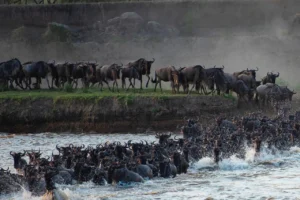
The Mara River crossings are the iconic images you see in wildlife documentaries and nature magazines. Thousands of wildebeest plunge into the fast-flowing, crocodile-filled river in a chaotic, terrifying, and utterly breathtaking spectacle. Some crossings involve hundreds of thousands of animals at once.
The crossings are unpredictable — the herds may spend days pacing along the bank before suddenly making the plunge. This is both the challenge and the thrill. You need patience, a good guide, and some luck. When it happens, it is extraordinary.
- Where to be: Northern Serengeti — Kogatende, Lamai Wedge
- What to see: Mara River crossings, enormous herds, crocodile action
- Crowd level: High — peak season begins
- Our rating: World-class wildlife spectacle — bucket list experience
August — Peak Mara River Crossings (Most Dramatic Month)
August is the peak of the Mara River crossing season and arguably the most dramatic month in the entire migration calendar. The northern Serengeti is packed with wildebeest and the river crossings happen with the greatest frequency and intensity of the year.
On a good day in August, you can witness multiple river crossings. The combination of thundering herds, roaring crocodiles, and the sheer drama of survival makes August game drives some of the most intense wildlife experiences imaginable. Lions, leopards, and cheetahs are also exceptionally active in the north during this period.
August is the busiest month on the Serengeti and accommodation in the north fills up very quickly. Book your northern Serengeti safari at least six months in advance if you want to witness the Mara River crossings in August.
- Where to be: North Serengeti — Kogatende, Lamai, Mara River area
- What to see: Most dramatic Mara River crossings of the year, peak predator activity
- Crowd level: Very high — busiest month
- Our rating: The most dramatic month — if river crossings are your goal
September — Excellent Crossings with Fewer Tourists
September is one of the best months to witness the Mara River crossings with significantly fewer tourists than July and August. The herds are still concentrated in the north and the crossings continue. The dry season weather remains excellent — clear skies and perfect game-viewing conditions.
Some herds begin their return journey southward in late September as the first rains begin to appear. This means you can experience both the tail end of the northward crossings and the beginning of the return migration — two phases of the migration in one trip.
September is also the final month of the Great Wildebeest Migration season in the Serengeti, making it a superb month to combine a Kilimanjaro climb with a Serengeti safari in one Tanzania trip.
- Where to be: North Serengeti — Kogatende, Lamai
- What to see: Mara River crossings (ongoing), herds beginning to move south
- Crowd level: Moderate — noticeably quieter than August
- Our rating: Our top pick for river crossings — great conditions, fewer crowds
October — Herds Return South Through Eastern Serengeti
October marks the beginning of the return journey. The herds cross the Mara River for a second time, this time heading southward back into Tanzania. The return crossings are less frenzied than the northward crossings but still exciting to witness.
As the short rains begin to fall in October and November, the wildebeest move quickly south through the Lobo area of northeastern Serengeti and into the eastern Serengeti. The dry season is ending and the game drives remain excellent — all animals are still easy to find around the remaining water sources.
- Where to be: North Serengeti crossing to Eastern Serengeti — Lobo area
- What to see: Return Mara River crossings, herds streaming south
- Crowd level: Low to moderate
- Our rating: Very good — dramatic return migration and quieter trails
November — Short Rains and Southern Return
November is the beginning of the short rainy season in Tanzania. The rains bring fresh green grass to the southern Serengeti and Ndutu, which draws the wildebeest south at speed. Large columns of animals can be seen moving through the eastern and central Serengeti.
November is a quieter month with fewer tourists and some excellent green-season game viewing. The rains are usually light and intermittent — not the heavy downpours of April and May. The landscape is beautiful and the newly green plains make for outstanding photography.
- Where to be: Eastern Serengeti to Central Serengeti
- What to see: Herds moving south at pace, green landscape, good predator sightings
- Crowd level: Low — excellent for those wanting space on the Serengeti
- Our rating: Good for adventurous travellers and photographers
December — Herds Arrive Back at Ndutu to Begin the Cycle Again
By December, the first wildebeest are arriving back in the Ndutu area and southern Serengeti, completing the full circle of the migration. The grass is green and lush after the short rains and the heavily pregnant females are preparing to give birth once again in the new year.
Early December can still see some short rains, but from mid-December conditions improve significantly. The festive season brings a moderate increase in visitors, especially around Christmas and New Year. It is a beautiful time to be on the Serengeti — the landscape is green, the weather is pleasant, and the circle of life is turning once again.
- Where to be: South Serengeti — Ndutu area
- What to see: Herds returning south, first calves beginning to appear, green Serengeti plains
- Crowd level: Moderate — higher around Christmas
- Our rating: Very good from mid-December — beautiful green season start
Great Wildebeest Migration: Month-by-Month Summary Table
Use this quick-reference table to plan your migration safari at a glance:
| Month | Where to Be | What’s Happening | Highlight | Rating |
| January | South Serengeti, Ndutu | Calving season begins | Baby wildebeest + big cats | ⭐⭐⭐⭐⭐ |
| February | Ndutu, South Serengeti | Peak calving season | 500,000+ calves born | ⭐⭐⭐⭐⭐ |
| March | South to Central Serengeti | Herds begin moving north | Late calving, predator action | ⭐⭐⭐⭐ |
| April | Central Serengeti | Long rains, moving north | Dramatic columns of wildebeest | ⭐⭐⭐ |
| May | Western Corridor, Grumeti | Approaching Grumeti River | First Grumeti River crossings | ⭐⭐⭐ |
| June | Western Corridor, North | Grumeti crossings, dry season | Grumeti croc crossings begin | ⭐⭐⭐⭐ |
| July | North Serengeti | Mara River crossings start | First dramatic Mara crossings | ⭐⭐⭐⭐⭐ |
| August | North Serengeti, Mara | Peak Mara crossings | Most dramatic month of year | ⭐⭐⭐⭐⭐ |
| September | North Serengeti | Crossings + return starts | Best crossings, fewer crowds | ⭐⭐⭐⭐⭐ |
| October | North to Eastern Serengeti | Return migration south | Return Mara crossings | ⭐⭐⭐⭐ |
| November | Eastern to Central | Short rains, moving south | Green landscape, fast movement | ⭐⭐⭐ |
| December | South Serengeti, Ndutu | Herds return, cycle restarts | Green plains, first calves | ⭐⭐⭐⭐ |
The Three Greatest Migration Spectacles and When to See Them
1. The Mara River Crossings (July to October)
This is the most iconic and most talked-about phase of the Great Migration. Thousands of wildebeest hurl themselves into the fast-flowing Mara River, battling crocodiles, strong currents, and the panic of the herd to reach the other side. Many do not make it.
The crossings happen at specific points along the Mara River where the bank drops down to the water. Your guide will position your vehicle at one of these crossing points and then you wait. The anticipation as thousands of wildebeest pace nervously along the bank is unbearable — and when they finally go, the noise, dust, and chaos is unlike anything else in nature.
Late July to September is the prime window, with August being the single most dramatic month. September offers the same quality experience with fewer vehicles around the crossing points.
Refresh Africa Tours Tip: The river crossing is never guaranteed. The herds may spend days pacing the bank before crossing, or they may cross and recross multiple times in a single day. Our guides have years of experience reading the herds’ behaviour and positioning you for the best chance of witnessing a crossing. We always plan at least 3 to 4 days in the north to maximise your chances.
2. The Calving Season (Late January to March)
The calving season is less famous than the river crossings, but for many wildlife lovers it is an equally — or more — moving experience. Over 500,000 wildebeest calves are born in just a few weeks on the Ndutu plains. A newborn wildebeest can stand within minutes and run within hours — one of the most incredible adaptations in the animal kingdom.
The predator action during calving season is extraordinary. The concentration of vulnerable newborns attracts lions, cheetahs, leopards, hyenas, and wild dogs from across a wide area. Hunting is constant. Some of the most dramatic nature photography in the world is taken on the Ndutu plains in February.
The calving season is also a more intimate experience than the river crossings — the Ndutu area is less visited and the encounters feel more personal. If you love big cats and do not mind the circle-of-life intensity of predator-prey action, February in the Ndutu area is unmissable.
3. The Grumeti River Crossings (June to Early July)
Less famous than the Mara but equally dramatic in its own way, the Grumeti River crossings happen in the Western Corridor of the Serengeti in June and early July. The Grumeti is home to some of the largest Nile crocodiles on earth — ancient, enormous animals that have lived in this river for decades.
The herds cross the Grumeti on their way north and the crocodiles emerge to take their toll. With far fewer tourists than the Mara River crossings, the Grumeti crossings offer a more exclusive and often overlooked wildlife experience. If you want dramatic river crossings without the crowds of the north, plan your safari for June.
Which Migration Safari Is Right for You?
You want to see the famous river crossings: Visit July to September
This is the classic migration safari. The northern Serengeti and Mara River area in July to September is the bucket-list experience that most people picture when they think of the Great Migration. Book well in advance — especially for July and August — as the best camps and lodges sell out months ahead.
You want incredible predator and big cat action: Visit January to March
The calving season brings the best predator viewing of the year. If lions, cheetahs, and leopards are what you are most excited to see, plan your safari for February in the Ndutu area. You will have extraordinary encounters with minimal crowds compared to the July to October peak season.
You want a quieter, more affordable safari: Visit November or April to May
The shoulder and green seasons offer an entirely different Serengeti experience — lush green landscapes, far fewer tourists, and lower prices at most camps. Wildlife viewing is still excellent and the migration herds are always somewhere on the Serengeti. If you value peace and space over peak-season drama, these months are worth considering.
You want to combine the migration with a Kilimanjaro climb: Visit July to October
July to October is perfect for combining a Serengeti migration safari with a Kilimanjaro climbing adventure. Both are at their best at the same time. Climb the mountain first, then reward yourself with the drama of the Mara River crossings on the Serengeti.
You want to combine the migration with a Zanzibar beach holiday: Visit July to October or January to March
Both dry season windows are perfect for adding a Zanzibar beach holiday to your migration safari. After days of dusty game drives and wildlife action, the white sand beaches of Zanzibar are the ultimate reward.
Our Serengeti Migration Safari Packages
At Refresh Africa Tours, we offer a range of Serengeti safari packages designed to put you in the right place at the right time for the migration. Here are some of our most popular options:
- 4-Day Wildebeest Migration Adventure — View this package — Our dedicated migration safari. Perfect for July to October when you want to focus entirely on witnessing the Mara River crossings in the north Serengeti.
- 7-Day Serengeti, Tarangire & Ngorongoro Safari — View this package — A full northern circuit combining Serengeti migration game drives with the wildlife-packed Ngorongoro Crater and elephant paradise of Tarangire.
- 4-Day Ultimate Serengeti Wildlife Safari — View this package — An intensive Serengeti experience for wildlife lovers who want maximum time in the park. Can be timed to coincide with any phase of the migration.
- 3-Day Serengeti & Ngorongoro Safari — View this package — Our shorter safari option, perfect for travellers who want a taste of the migration before or after climbing Kilimanjaro or heading to Zanzibar.
Browse our full range of Tanzania safari packages here — we can also build a completely custom itinerary around your dates and preferences.
Do Not Miss the Ngorongoro Crater on Your Migration Safari
While you are in the Serengeti for the migration, the Ngorongoro Crater is just a short drive away and should be on every Tanzania safari itinerary. The crater is one of the most wildlife-dense areas on earth — home to lions, elephants, hippos, flamingos, and one of the last healthy populations of black rhino in Africa.
Unlike the migration herds, the wildlife in Ngorongoro Crater is permanent. You are virtually guaranteed to see the Big Five within the crater walls. Combining a Serengeti migration safari with a day or two in Ngorongoro is one of the ultimate Tanzania wildlife experiences.
Learn more about the Ngorongoro Crater and what to expect on a game drive here.
Add Tarangire National Park to Your Migration Safari
Tarangire National Park is another essential stop on a northern Tanzania safari circuit. Famous for its enormous elephant herds — the largest concentration of elephants in Tanzania — Tarangire is spectacular from June to October when dry season concentrates wildlife around the Tarangire River.
Discover Tarangire National Park and why it should be on your safari itinerary.
Practical Tips for Planning Your Migration Safari
Book Early — Especially for River Crossings
The best lodges and camps in the northern Serengeti — closest to the Mara River crossing points — sell out very early for July and August. If witnessing the river crossings is your goal, contact us at least four to six months before your travel dates. The later you leave it, the more limited your options will be.
Plan for at Least Three to Four Days in the Serengeti
The migration is wild and unpredictable. The river crossings happen on the animals’ schedule, not yours. Planning at least three to four nights in the Serengeti gives you the best chance of being in the right place when the crossings happen. One-night stops rarely give you enough time.
Listen to Your Guide
Our guides at Refresh Africa Tours spend more time on the Serengeti than anywhere else. They read the herds, understand the weather, and know the crossing points intimately. Trust their judgement on positioning and timing — it makes all the difference.
Pair Your Safari with Other Parks
The Serengeti, Ngorongoro Crater, Tarangire, and Lake Manyara are all within easy driving distance of each other and of Arusha. A multi-park safari itinerary of seven to ten days gives you migration action, crater wildlife, elephant herds, and tree-climbing lions all in one trip.
Read more about Lake Manyara National Park and its famous tree-climbing lions.
Frequently Asked Questions
Is the Great Wildebeest Migration only in Kenya or also in Tanzania?
The migration happens in both Tanzania and Kenya. The majority of the migration — including the calving season, the movement through the Serengeti, and part of the Mara River crossings — takes place in Tanzania. The herds spend roughly nine to ten months of the year on the Tanzania side. The Kenyan Masai Mara is where the northern section of the crossing route takes place, typically between August and October.
Can you see the wildebeest migration year-round in Tanzania?
Yes. The wildebeest are always somewhere in the Serengeti-Mara ecosystem throughout the year. What changes is which phase of the migration is happening and which part of the Serengeti you need to be in. Our guides track the herds constantly and will always position you for the best sightings.
What animals migrate alongside the wildebeest?
The Great Migration is not just wildebeest. Approximately 300,000 to 500,000 zebra and around 200,000 Thomson’s gazelle travel alongside the wildebeest herds. Predators — lions, cheetahs, leopards, hyenas, wild dogs, and crocodiles — follow and shadow the migration throughout the year.
How long does a river crossing last?
This is impossible to predict. Some crossings last just fifteen to twenty minutes. Others — where the herds gather on the bank but hesitate — can involve waiting for hours before the first animals take the plunge. When a large crossing finally happens, thousands of animals can cross in under an hour. Patience is essential and it is always worth the wait.
What is the difference between the Grumeti and Mara River crossings?
The Grumeti River crossing happens in June and early July in the western Serengeti. It is the first major water obstacle the herds face on their northward journey. The Mara River crossings happen later — July to October — in the northern Serengeti and are generally larger, more dramatic, and more famous. Both are extraordinary experiences.
Do I need a visa to visit Tanzania?
Most nationalities require a visa to enter Tanzania. You can apply for a Tanzania e-Visa online before travelling at the official immigration portal. We always recommend applying at least two to four weeks before your travel date. Our team is happy to advise you on the visa process when you book your safari with us.
Start Planning Your Great Migration Safari Today
The Great Wildebeest Migration is one of those experiences that changes how you see the natural world. Whether you are watching a thousand wildebeest plunge into a crocodile-filled river or witnessing a newborn calf take its very first steps on the Ndutu plains — there is nothing else quite like it on earth.
At Refresh Africa Tours, we are a locally owned and operated company based in Arusha, Tanzania. Our expert guides and safari planners will help you choose the perfect time, the right parks, and the ideal itinerary to witness the migration at its best — whatever your budget and timeline.
Browse all our Serengeti and Tanzania safari packages — fully customisable to your dates and interests.
Contact our team today to plan your migration safari — we respond within 24 hours.
Combine your safari with a Kilimanjaro climb — the ultimate Tanzania adventure.
Add a Zanzibar beach holiday after your safari — the perfect end to an unforgettable Tanzania trip.
Written by the team at Refresh Africa Tours — Tanzania’s local experts in Serengeti wildlife safaris, Kilimanjaro climbing, and Zanzibar holidays. Based in Arusha, Tanzania