Best Time to Climb Kilimanjaro: A Complete Month-by-Month Guide
Planning to climb Mount Kilimanjaro? One of the first questions you will ask is: when is the best time to climb Kilimanjaro?
The answer matters a lot. The right timing means clearer skies, drier trails, better views, and a higher chance of reaching the summit. The wrong timing can mean heavy rain, muddy paths, and poor visibility — none of which you want when climbing Africa’s highest mountain.
The good news is that Kilimanjaro’s weather is fairly predictable. There are two dry seasons and two rainy seasons each year, and the dry seasons give you the best conditions for a safe and enjoyable climb.
In this guide, our team at Refresh Africa Tours — a locally owned tour company based right here in Arusha, Tanzania — will walk you through every month of the year so you can choose the perfect time for your Kilimanjaro adventure.
Already know when you want to go? Browse our Kilimanjaro climbing packages here and start planning your summit.
The Short Answer: When Is the Best Time to Climb Kilimanjaro?
The best time to climb Kilimanjaro is during the two dry seasons:
- January to mid-March — warm, clear, and less crowded
- Late June to October — the main climbing season with the most stable weather
These are the months when you will enjoy the least rainfall, clearest skies, best visibility, and the highest summit success rates. If your schedule allows, these are the windows to aim for.
The months to avoid are April and May (the long rainy season) and November (the short rainy season). Trails become wet and slippery, visibility drops, and the overall experience is much harder.
Local Insight from Refresh Africa Tours: We guide climbers up Kilimanjaro every week. From our experience on the mountain, January, February, August, and September are consistently the most rewarding months to climb. We will help you pick the best date based on your preferences and schedule.
Understanding Kilimanjaro’s Four Seasons
Because Kilimanjaro sits close to the equator, it does not experience spring, summer, autumn, and winter like Europe or North America. Instead, the mountain has four distinct climate periods:
1. The Long Dry Season (Late June to October)
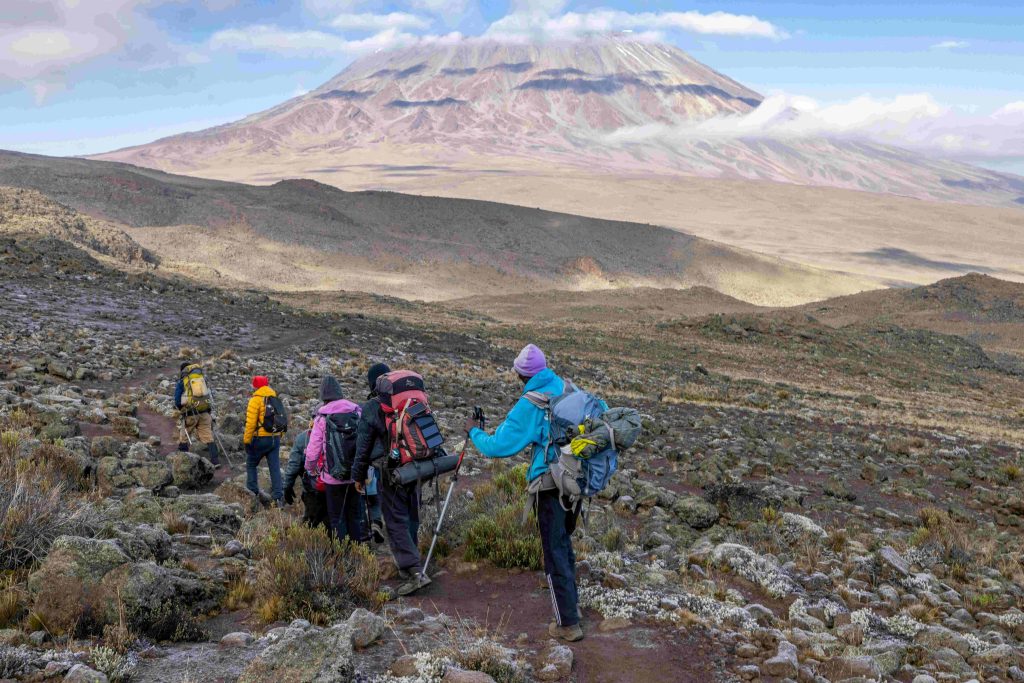
This is the most popular time to climb Kilimanjaro and the period we recommend most highly. The weather is stable, rainfall is minimal, and the skies are mostly clear. Temperatures are cooler than in January to March, but the conditions are ideal for trekking.
This season coincides with the summer holidays in Europe and North America, so the trails are busier — especially in July and August. If you want good weather but fewer fellow climbers, September and October are excellent choices.
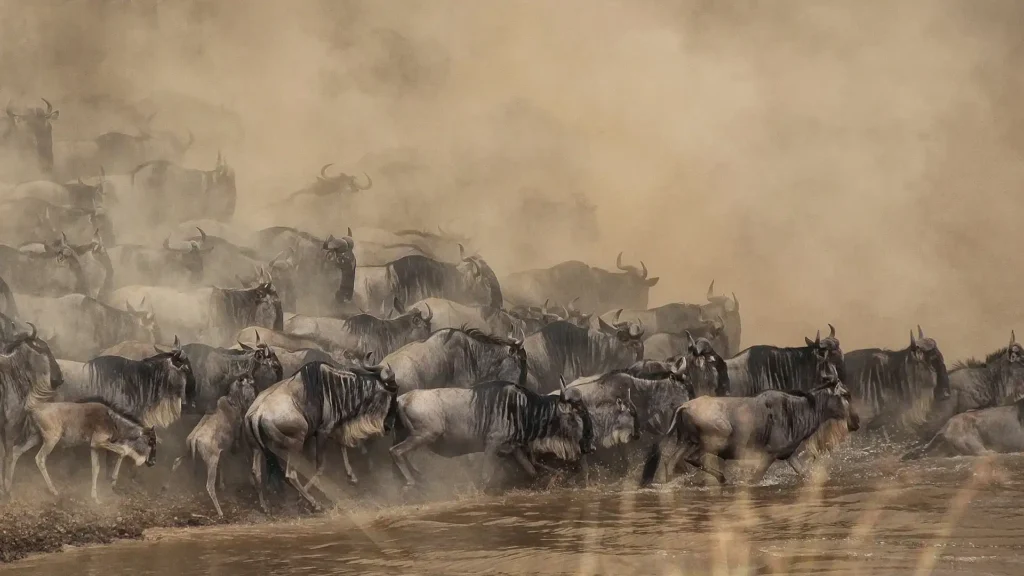
Bonus: July to October also overlaps with the Great Wildebeest Migration in the Serengeti. Many climbers combine their Kilimanjaro climb with a Serengeti safari during this period for the ultimate Tanzania experience.
2. The Short Dry Season (January to Mid-March)
This is the second-best time to climb Kilimanjaro. January and February offer warm temperatures, clear mornings, and less rainfall. The mountain is noticeably quieter than during the June to October season, making it a great choice if you prefer a more peaceful climb.
By mid-March, the weather begins to change and the long rains start to arrive. If you are planning to climb in March, aim for the first two weeks of the month to be safe.
3. The Long Rainy Season (April and May)
April and May are the wettest months on Kilimanjaro. Heavy rainfall makes the trails muddy and slippery, cloud cover reduces visibility, and cold, wet conditions make the experience much less enjoyable. The summit success rate drops significantly during this period.
We do not recommend climbing during April and May unless you are an experienced trekker who is comfortable in difficult conditions. If your dates are fixed during this period, the Rongai Route — which approaches from the drier northern side — is the best option.
4. The Short Rainy Season (November and parts of December)
November brings lighter, more intermittent rains compared to April and May. Some climbers still tackle Kilimanjaro during November and find clear windows between showers. However, it is still an unpredictable month and not ideal for first-time climbers.
From late November into December, conditions start to improve again, especially from mid-December onwards when the short dry season begins.
Kilimanjaro Climbing Season: Month-by-Month Breakdown
Here is exactly what to expect on Kilimanjaro in each month of the year:
January — Excellent
January is one of the best months to climb Kilimanjaro. The weather is warm and dry, with clear skies and good visibility. It is slightly busier than February due to the Christmas and New Year holiday period at the start of the month, but once January settles in, trail traffic reduces.
- Weather: Warm, dry, mostly clear skies
- Crowd level: Moderate
- Summit success rate: Very high
- Best for: First-time climbers, those who prefer warmth
February — Excellent
February is arguably the single best month to climb Kilimanjaro. The weather is at its most stable — warm, dry, and clear. Trail traffic is lower than in the peak July to August season. You get excellent conditions with fewer people around you. If you can climb in February, do it.
- Weather: Warm, very dry, excellent visibility
- Crowd level: Low to moderate
- Summit success rate: Very high
- Best for: Ideal for all climbers — first-timers and experienced alike
March — Good (Early March Only)
Early March still offers good climbing conditions similar to February. However, from mid-March onwards, the long rains begin to arrive. Conditions can become unpredictable. If you must climb in March, book for the first two weeks.
- Weather: Dry early, increasingly wet from mid-month
- Crowd level: Low
- Summit success rate: Good in early March, drops after mid-month
- Best for: Experienced trekkers who can handle changing conditions
April — Not Recommended
April is the peak of the long rainy season on Kilimanjaro. Heavy rain falls almost every day. Trails are muddy, visibility is poor, and keeping gear dry is a constant challenge. The summit success rate is at its lowest during this month.
If your dates are locked in April, consider the Rongai Route which starts on the drier north side of the mountain.
- Weather: Heavy rain, muddy trails, low visibility
- Crowd level: Very low
- Summit success rate: Low
- Best for: Only very experienced trekkers who are fully prepared
May —Not Recommended
May is similar to April — wet, challenging, and not enjoyable for most climbers. The long rains are still in full effect. Towards the very end of May, the rainfall starts to ease off, but conditions remain difficult.
- Weather: Heavy rain continuing, improving at end of month
- Crowd level: Very low — the quietest month on the mountain
- Summit success rate: Low
- Best for: Only experienced hikers comfortable with wet conditions
June — Good (Late June Onwards)
Early June can still see lingering rains from the previous season, but from late June the mountain begins to dry out. By the last week of June, conditions are good and you are entering the main climbing season. Temperatures are cooler than January to March.
- Weather: Improving — dry from late June, colder than January-March
- Crowd level: Low to moderate
- Summit success rate: Good and improving
- Best for: Those who prefer cooler conditions and quieter trails
July — Excellent (Busy)
July marks the start of the peak climbing season on Kilimanjaro. The weather is excellent — dry, clear, and stable. However, it is also one of the busiest months on the mountain because July is a popular holiday month in Europe and North America. Expect company on the trails and at campsites.
- Weather: Excellent — dry, mostly clear, cooler temperatures
- Crowd level: High
- Summit success rate: Very high
- Best for: Climbers who do not mind sharing the trails
August — Excellent (Busiest Month)
August is the most popular month on Kilimanjaro. The weather is outstanding — clear, dry, and stable. If you love good conditions and do not mind a busier mountain, August is perfect. Book well in advance as permits and guides fill up fast during this month.
- Weather: Outstanding — best of the year
- Crowd level: Very high — the busiest month
- Summit success rate: Highest of the year
- Best for: Anyone — pure best conditions, just expect crowds
September — Excellent (Our Favourite Month)
September is our personal favourite month to climb Kilimanjaro at Refresh Africa Tours. The weather remains excellent from the dry season, but the crowds from July and August have thinned out significantly. You get the best of both worlds — great conditions and more space on the mountain.
September also overlaps with the tail end of the Wildebeest Migration in the Serengeti, making it a wonderful time to combine a Kilimanjaro climb with a Tanzania safari.
- Weather: Excellent — dry, clear, slightly warmer than July-August
- Crowd level: Moderate — noticeably quieter than July-August
- Summit success rate: Very high
- Best for: Climbers who want great conditions with fewer people — our top pick
October — Very Good
October is the last month of the main dry season and still offers very good climbing conditions. Trails are dry, skies are mostly clear, and crowds have thinned further. Towards the end of October, some light showers may begin to appear, but these are generally brief.
- Weather: Very good — dry with occasional light showers late in the month
- Crowd level: Low to moderate
- Summit success rate: High
- Best for: Those who prefer quieter trails and good weather
November — Challenging
November marks the arrival of the short rainy season. Rainfall is lighter and more intermittent than in April and May, but it is still enough to create muddy conditions and reduce visibility. Some climbers have successful climbs in November, but it is unpredictable.
- Weather: Light to moderate rains, some clear windows
- Crowd level: Low
- Summit success rate: Below average
- Best for: Flexible, experienced trekkers who can handle variable weather
December — Good (Mid-December Onwards)
Early December can still see some short rains, but from mid-December the weather improves significantly. The festive season brings a moderate uptick in climbers — especially around Christmas and New Year. If you are climbing over Christmas, expect some company on the trails. Snow at the summit is more common in December, which creates spectacular views.
- Weather: Improving from mid-month — cool, some snow at summit
- Crowd level: Moderate — higher around Christmas and New Year
- Summit success rate: Good and improving through the month
- Best for: Those who want a festive, snowy summit experience
Kilimanjaro Seasons
Use this table as a quick reference when planning your climb:
| Month | Weather Conditions | Crowd Level | Our Rating |
| January | Warm, dry, clear — excellent | Moderate | ⭐⭐⭐⭐⭐ Best |
| February | Warm, very dry — outstanding | Low–Moderate | ⭐⭐⭐⭐⭐ Best |
| March | Good early, rains mid-month | Low | ⭐⭐⭐⭐ Good (early) |
| April | Heavy rain, muddy trails | Very Low | ⭐ Avoid |
| May | Heavy rain, poor visibility | Very Low | ⭐ Avoid |
| June | Clearing from late June | Low–Moderate | ⭐⭐⭐ OK (late June) |
| July | Dry, clear, cool — excellent | High | ⭐⭐⭐⭐⭐ Excellent |
| August | Outstanding — best of year | Very High | ⭐⭐⭐⭐⭐ Peak Season |
| September | Excellent + quieter trails | Moderate | ⭐⭐⭐⭐⭐ Our #1 Pick |
| October | Very good, light showers end | Low–Moderate | ⭐⭐⭐⭐ Very Good |
| November | Short rains, unpredictable | Low | ⭐⭐ Challenging |
| December | Improving from mid-month | Moderate | ⭐⭐⭐ Good (mid+) |
Which Month Is Best for Your Type of Climb?
Not all climbers are the same. Here is a quick guide to match the best month with what matters most to you:
Best Month for Good Weather: February or August
If having the best possible weather is your number one priority, choose February (warm and dry) or August (cool, dry, and incredibly stable). Both months offer outstanding conditions with minimal chance of rain.
Best Month to Avoid Crowds: February or September
If you want a quieter experience on the mountain with fewer people sharing your campsite, February and September are perfect. Great weather, fewer fellow trekkers, and a more personal summit experience.
Best Month on a Budget: November or March
Some tour operators — including us — offer lower prices during the shoulder months of late March and November due to reduced demand. If budget is a priority and you are prepared for a little unpredictability, these months can save you money. Always check with us first.
Best Month to Combine with a Safari: July to October
July to October is the Great Wildebeest Migration season in the Serengeti. Combining a Kilimanjaro climb with a Tanzania safari in the Serengeti or Ngorongoro Crater during these months is one of the most spectacular travel experiences on earth. September is our top recommendation for this combination.
Best Month to Combine with Zanzibar: June to October or January to February
Dry weather on Kilimanjaro generally means dry, sunny weather on Zanzibar’s beaches too. June to October and January to February are the best periods to combine a Kilimanjaro summit with a Zanzibar beach holiday.
Kilimanjaro Temperatures: What to Expect at Each Zone
One of the most important things to understand about Kilimanjaro is that temperatures change dramatically as you climb higher. You will pass through five different climate zones on your way to the summit.
Rainforest Zone (800m – 3,000m)
This is the lush green lower section of the mountain. During dry season, expect daytime temperatures of around 20–25°C (68–77°F). It can feel humid and warm, especially in January and February.
Moorland Zone (3,000m – 4,200m)
The landscape opens up into moorland and alpine heath here. Temperatures drop to around 5–15°C (41–59°F) during the day. Nights can get cold, dropping close to 0°C (32°F).
Alpine Desert Zone (4,200m – 5,000m)
The terrain becomes barren and rocky. Daytime temperatures range from -5°C to 10°C (23–50°F). Nights are cold — expect -5°C to -10°C (14–23°F) or colder.
Arctic Summit Zone (5,000m – 5,895m)
The summit is bitterly cold, especially during summit night when you begin your final push around midnight. Temperatures at Uhuru Peak can fall to -20°C (-4°F) or lower, with strong winds making it feel even colder.
Make sure you are equipped for all these conditions. See our complete Kilimanjaro packing list for everything you need to stay warm and comfortable from the rainforest to the summit.
Which Kilimanjaro Route Suits Your Chosen Season?
Your choice of season also affects which route is best for you. Here is how our routes at Refresh Africa Tours match up with different times of year:
- Machame Route (7 Days) — View Machame Route package — Best in Jan–Feb and Jul–Oct. This is the most scenic and popular route. Great visibility during the dry seasons makes the dramatic views even more spectacular.
- Lemosho Route (8 Days) — View Lemosho Route package — Best in Jan–Feb and Jul–Oct. Our most recommended route for the best summit success rate. Extra days aid acclimatisation. Perfect in all dry season months.
- Rongai Route (7 Days) — View Rongai Route package — Good year-round, especially during shoulder months. Approaches from the north — the driest side of Kilimanjaro. Best option if climbing in March, June, October, or November.
- Shira Route (8 Days) — View Shira Route package — Best in Jul–Oct. Starts at high altitude on the western side. Spectacular and remote. Best enjoyed in the long dry season when the weather is most stable.
Does Timing Affect Your Summit Success Rate?
Yes — absolutely. Here is how the seasons influence your chances of reaching Uhuru Peak:
- Dry season (Jan–Feb and Jul–Oct): Highest summit success rates — typically 85–90% or above with a reputable operator
- Shoulder seasons (late Mar, Jun, Oct, mid-Dec): Moderate success rates — still good with the right preparation
- Rainy season (Apr–May, Nov): Lower success rates — wet conditions, altitude sickness risk increases, and morale drops on difficult days
However, the single most important factor in your summit success is not the month — it is the number of days you spend on the mountain. More days means better acclimatisation and a much higher chance of reaching the summit safely.
All of our Kilimanjaro packages at Refresh Africa Tours are designed with acclimatisation built in. We never rush the climb.
Should You Climb Kilimanjaro During a Full Moon?
Many experienced climbers specifically plan their summit attempt to coincide with a full moon. Here is why:
- A full moon provides natural light on summit night — you can sometimes turn off your headtorch and still see the path ahead
- The mountain and glaciers lit by moonlight create a truly magical and unforgettable experience
- Better visibility helps with navigation and morale during the long midnight push to the summit
If you want to time your climb with a full moon, let us know when you contact us. We can help you plan your dates to take advantage of this beautiful natural phenomenon. It is one of our favourite things to arrange for our guests.
Pro Tip: For a 7-day climb, start your trek approximately 5 days before the full moon. This means your summit night (usually on Day 6) will fall on or very close to the full moon date.
Tips for Planning Your Kilimanjaro Climb by Season
Book Early for Peak Season (July, August, January)
These months book up fast — especially August, which is the busiest month on the mountain. Park permits for Kilimanjaro are limited, and the best guides get reserved months in advance. If you want to climb in peak season, contact us at least 3 to 6 months ahead of your planned dates.
Be Flexible for Better Value
If your schedule allows flexibility, climbing in September, October, or February gives you excellent conditions at a quieter time. Some operators offer better pricing in these months compared to July and August.
Allow Time Before and After in Arusha
We always recommend arriving in Arusha at least one day before your climb begins so your body can adjust to the altitude of Arusha (which sits at 1,400 metres above sea level). This small amount of pre-acclimatisation makes a real difference.
Plan Your Tanzania Trip Around the Season
The best time to climb Kilimanjaro aligns beautifully with the best times for a Tanzania safari. July to October is peak wildlife season in the Serengeti with the Wildebeest Migration in full flow. January to March is also excellent for wildlife, with fewer tourists in the national parks.
Frequently Asked Questions
What is the best month to climb Kilimanjaro?
The best individual months are February (warm, dry, quiet) and September (excellent weather, fewer crowds). August has the best weather of the year but is the busiest month. Any month in the dry season windows (January to mid-March and late June to October) offers good conditions.
Can you climb Kilimanjaro in the rainy season?
Yes, Kilimanjaro is open year-round and people do climb during the rainy season. However, we strongly advise against it for first-time climbers. Trails are muddy, views are obscured, and the overall experience is much harder. If you have no choice, choose the Rongai Route which stays drier than other routes.
Is January a good month to climb Kilimanjaro?
Yes — January is one of the best months to climb Kilimanjaro. Warm, dry, and clear conditions make it an excellent choice. Early January can be a little busier due to the Christmas and New Year holiday period, but from mid-January onwards it quietens down.
How far in advance should I book a Kilimanjaro climb?
For peak months (July, August, December-January), we recommend booking 3 to 6 months in advance. For quieter months, 6 to 8 weeks is usually enough. However, the earlier you book, the more flexibility you have with routes, dates, and pricing.
Does the weather affect which route I should take?
Yes. The Rongai Route is the most weather-resistant option as it approaches from the north — the drier side of the mountain. If you are climbing in a shoulder month or the rainy season, the Rongai Route gives you the best chance of drier conditions. For the dry season, all routes are suitable.
What is the summit success rate on Kilimanjaro?
With a reputable operator during the dry season, summit success rates of 85 to 90% or higher are achievable. The most important factor is choosing a longer route (7 or 8 days) that allows proper acclimatisation. At Refresh Africa Tours, our guided climbers consistently achieve excellent summit rates because we never rush the mountain.
Ready to Start Planning Your Kilimanjaro Climb?
Now you know the best time to climb Kilimanjaro, the next step is choosing your route and booking your adventure. At Refresh Africa Tours, we are a locally owned and operated company based in Arusha, Tanzania — right at the foot of Kilimanjaro. Our experienced guides have helped hundreds of climbers reach Uhuru Peak safely.
We offer flexible packages across all four major routes, available during every dry season window throughout the year. Tell us your preferred dates, your experience level, and your budget — and we will build the perfect Kilimanjaro itinerary for you.
Browse all Kilimanjaro climbing routes and packages.
Contact us today to plan your climb — we respond within 24 hours.
Combine your Kilimanjaro climb with a Tanzania safari — the ultimate Tanzania experience.
Add a Zanzibar beach holiday after your summit — the perfect reward after reaching the Roof of Africa.
Written by the team at Refresh Africa Tours — locally owned Kilimanjaro climbing and Tanzania safari experts based in Arusha, Tanzania.