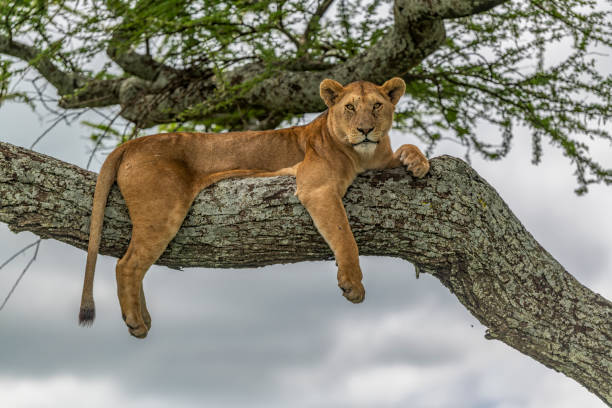
Best Time to Visit Tanzania: A Complete Month-by-Month Travel Guide
Tanzania is one of the greatest travel destinations on earth. It is home to Africa’s highest mountain, the world’s most famous wildlife migration, some of the continent’s most spectacular national parks, and one of the most beautiful island destinations anywhere — Zanzibar.
But Tanzania is a big country with diverse landscapes, and the weather varies significantly from place to place and from month to month. The best time to visit Tanzania depends on what you want to do, where you want to go, and what kind of experience you are looking for.
In this complete guide, our team at Refresh Africa Tours — a locally owned tour company based in Arusha, Tanzania — will take you through every month of the year so you can plan the perfect Tanzania trip. Whether you are coming for a wildlife safari, a Kilimanjaro climb, a Zanzibar beach holiday, or all three, this guide has everything you need.
Ready to start planning? Explore all our Tanzania safari and tour packages here and our team will help you build your perfect itinerary.
Quick Answer: When Is the Best Time to Visit Tanzania?
The short answer is that Tanzania is a year-round destination — there is always something spectacular happening somewhere. But the best overall times to visit are:
- June to October — the long dry season. Best for wildlife safaris, Kilimanjaro, and combined Tanzania trips. Peak season with the highest success rates for all activities.
- January to mid-March — the short dry season. Excellent for wildlife and calving season in the Serengeti, warm beach weather in Zanzibar, and quieter trails on Kilimanjaro.
The months to approach with more caution are April and May (heavy long rains) and November (short rains), though even these months have their own special appeal for the right kind of traveller.
Local Knowledge from Refresh Africa Tours: We live and work in Arusha, at the heart of Tanzania’s northern safari circuit. Our guides are on the Serengeti and Kilimanjaro throughout the year. When you ask us when to come, we give you honest, experience-based advice — not just a generic answer. Contact us and we will help you choose the best dates for your specific interests.
Understanding Tanzania’s Two Main Seasons
Tanzania’s climate is tropical and is driven by rainfall rather than temperature. There are two dry seasons and two wet seasons every year:
The Long Dry Season: June to October
This is Tanzania’s main tourist season and the best overall time to visit for most travellers. Rainfall is minimal across almost all parts of the country. Temperatures are warm but comfortable. In the national parks, vegetation is sparse and animals are easier to spot as they gather around remaining water sources.
In the Serengeti, this is when the famous Mara River crossings of the Great Wildebeest Migration take place. It is also the best time to climb Kilimanjaro, visit Ngorongoro Crater, explore Tarangire National Park, and enjoy Zanzibar’s beaches. June to October is simply excellent for everything Tanzania has to offer.
The Short Dry Season: December to Mid-March
The second dry season runs from late November through to mid-March. January and February are particularly good months to visit — warm, dry, and with lower visitor numbers than the June to October peak. The southern Serengeti is alive with the wildebeest calving season during this period, and Zanzibar is warm and sunny.
The Long Rainy Season: March to May
The long rains arrive from mid-March and peak in April and May. These are the wettest months in Tanzania. Heavy daily rainfall makes some roads impassable, a few camps close, and wildlife viewing becomes harder as animals disperse into thick vegetation. However, prices drop significantly during this period and the landscapes are stunningly green and beautiful.
The Short Rainy Season: November
November brings lighter, more unpredictable rainfall. Showers are usually short and intense rather than all-day downpours. The landscape greens up quickly and birdlife is exceptional. It is a quieter month with lower prices and a more personal experience on the Serengeti.
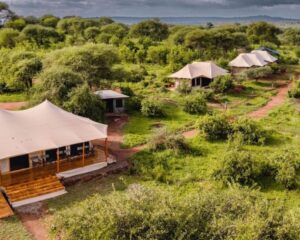
Best Time to Visit Tanzania: Complete Month-by-Month Breakdown
January — Excellent
January is one of the best months to visit Tanzania. The short dry season is in full effect, weather is warm and mostly dry, and the Serengeti’s southern plains are packed with wildlife. The wildebeest calving season is beginning around the Ndutu area, drawing in enormous concentrations of predators — lions, cheetahs, leopards, and wild dogs.
Zanzibar is sunny and beautiful in January, with warm sea temperatures perfect for swimming, snorkelling, and diving. Kilimanjaro is in excellent condition — warm lower slopes, clear skies, and good summit success rates. January is also one of the best months for birdwatching as migratory bird species are still present.
- Safari: Excellent — calving season begins in South Serengeti/Ndutu
- Kilimanjaro: Excellent — warm, dry conditions
- Zanzibar: Excellent — warm, sunny beach weather
- Crowds: Moderate — quieter than July to August peak
- Prices: Mid-range
February — Outstanding — Our Top Pick
February is arguably the single best month to visit Tanzania. It is the peak of the wildebeest calving season — over 500,000 calves are born on the Ndutu plains in just a few weeks. Big cat activity is at its most intense. The Serengeti is lush and green with beautiful photography conditions. And the tourist numbers are significantly lower than the July to October peak.
Kilimanjaro is warm, dry, and at its best for climbing. Zanzibar is hot and dry — perfect beach weather. February combines outstanding wildlife, excellent mountain conditions, beautiful island weather, and relatively uncrowded national parks. For travellers with flexibility, February is an extraordinary month to be in Tanzania.
- Safari: Outstanding — peak calving season, best predator action of the year
- Kilimanjaro: Outstanding — warm, clear, excellent for all routes
- Zanzibar: Outstanding — hot, dry, perfect beach conditions
- Crowds: Low to moderate — the sweet spot before peak season
- Prices: Mid-range — excellent value for the quality of experience
March — Very Good (Early March)
Early March extends the excellent conditions of February. The calving season winds down on the Serengeti plains and the vast herds begin their gradual movement northward. Predator sightings remain exceptional as the big cats continue to follow the migrating wildebeest.
From mid-March, the long rains begin to arrive and conditions start to change. Temperatures rise, humidity builds, and afternoon showers become more common. If you are planning a March visit, target the first two weeks for the best experience. Zanzibar and the coast can see increasing humidity but remains warm and generally enjoyable.
- Safari: Very good (early March), deteriorating from mid-month
- Kilimanjaro: Good early, increasingly challenging after mid-month
- Zanzibar: Good — warm but humidity rising
- Crowds: Low — great for a quieter experience
- Prices: Mid-range to lower — good value in early March
April — Green Season (For Adventurous Travellers)
April is the height of the long rainy season and the least popular month for tourism in Tanzania. Heavy afternoon and overnight rains soak the landscape. Some camps close for maintenance. Roads in the national parks can become difficult. Wildlife disperses into the thick vegetation making spotting harder.
However, April has its own unique appeal for the right kind of traveller. The landscape is an intense, vivid green — unlike any other time of year. Migratory birds arrive in large numbers, making it one of the best months for birdwatching in Tanzania. Prices are at their lowest. And the national parks are virtually empty — you can have entire game drive circuits to yourself.
The Great Migration herds are moving through the central Serengeti on their way north during April, forming long dramatic columns across the plains. If you do not mind the rain and want a completely different kind of Tanzania experience, April is memorable.
- Safari: Challenging — green season, dispersed wildlife, some camps closed
- Kilimanjaro: Not recommended — wet, muddy, low summit success rates
- Zanzibar: Poor — heavy rains on the island
- Crowds: Very low — practically empty national parks
- Prices: Lowest of the year — significant discounts available
May — Green Season (Quietest Month)
May continues the long rainy season and is the quietest month on Tanzania’s tourist circuit. The rains begin to ease off towards the end of the month. The Serengeti herds are moving through the western corridor and approaching the Grumeti River as the first dramatic river crossing opportunities of the migration year begin to appear.
For birdwatchers, May is exceptional. Lake Natron, in northern Tanzania, hosts millions of breeding flamingos during this period — one of the most spectacular natural events in Africa that very few people ever see. If off-the-beaten-path wildlife experiences appeal to you, May has hidden gems that most tourists never discover.
- Safari: Challenging — but improving at end of month, Grumeti crossings begin
- Kilimanjaro: Not recommended — wet season
- Zanzibar: Rainy — not ideal for beach holidays
- Crowds: Lowest of the year — empty trails and parks
- Prices: Lowest of the year — best deals available
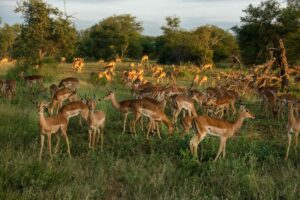
June — Very Good (Dry Season Returns)
June marks the beginning of the main dry season and the return of peak safari conditions. The rains stop, the vegetation starts to dry out, and animals become more predictable as they gather around rivers and waterholes. Game viewing improves dramatically week by week through June.
In the western Serengeti, the Grumeti River crossings are happening as the wildebeest migration passes through the Western Corridor. These are dramatic encounters — enormous Nile crocodiles, some of the largest on the continent, lurk in the Grumeti waiting for the herds. Kilimanjaro conditions improve steadily through June. Zanzibar’s rain season ends and beach conditions return.
- Safari: Very good and improving rapidly — Grumeti River crossings
- Kilimanjaro: Good and improving — drying out nicely
- Zanzibar: Improving — beach season returning
- Crowds: Moderate and increasing as peak season begins
- Prices: Mid-range — good value before the peak season premium
July — Excellent — Peak Season Begins
July is the beginning of Tanzania’s prime tourist season and for very good reason. The long dry season is fully established, skies are clear, temperatures are comfortable, and wildlife viewing across all the northern parks is outstanding. In the northern Serengeti, the first dramatic Mara River crossings of the wildebeest migration begin to take place.
Ngorongoro Crater is spectacular in July — dry conditions mean animals are concentrated and easy to spot. Tarangire National Park, famous for its elephant herds, is at its best as thousands of elephants converge on the Tarangire River. Kilimanjaro offers excellent climbing conditions. Zanzibar is dry, sunny, and beautiful.
The only challenge in July is that everyone else has the same idea. Tourist numbers rise sharply and the best lodges and camps book out well in advance. Plan and book early.
- Safari: Excellent — Mara River crossings begin, all parks outstanding
- Kilimanjaro: Excellent — dry season at its best
- Zanzibar: Excellent — dry, warm, perfect beach weather
- Crowds: High — peak season has begun
- Prices: Peak season prices — book early for best rates
August — The Most Dramatic Month
August is the peak of Tanzania’s tourist season and also the peak of the Great Wildebeest Migration’s most dramatic phase — the Mara River crossings in the northern Serengeti. Thousands of wildebeest plunge into the crocodile-filled Mara River in what is frequently described as the greatest wildlife spectacle on earth.
Every national park in Tanzania is at its best in August. Dry conditions mean minimal vegetation, water sources are limited, and every animal in the park is drawn to the remaining rivers and waterholes. This concentration of animals makes August the best month for sheer wildlife density and dramatic sightings.
Expect the highest prices and the most visitors of the year in August. Book accommodation, especially in the northern Serengeti, at least four to six months in advance. The experience is worth every bit of the planning effort.
- Safari: Outstanding — peak Mara River crossings, maximum wildlife visibility
- Kilimanjaro: Outstanding — clearest skies, best summit views
- Zanzibar: Excellent — dry season at its peak
- Crowds: Very high — busiest month of the year
- Prices: Highest of the year — premium season
September — Our Favourite Month to Visit Tanzania
September is our personal favourite month at Refresh Africa Tours — and we recommend it most highly to our guests. The conditions are nearly identical to August: dry, clear, warm, and outstanding for wildlife viewing. But the crowds are noticeably thinner. The intense visitor pressure of July and August has eased and the national parks feel more spacious and personal.
The Mara River crossings continue in the northern Serengeti through most of September. Game viewing across all northern parks is exceptional. Kilimanjaro is dry and clear. Zanzibar is warm and sunny. And September sits at a slightly lower price point than the July to August peak.
September also offers the unique opportunity to witness both the final Mara crossings and the beginning of the herds’ return south — two phases of the migration in a single trip. This is exceptionally rare and September is the only month where you can experience both.
- Safari: Outstanding — Mara crossings + return migration begins
- Kilimanjaro: Outstanding — excellent clear conditions
- Zanzibar: Excellent — warm and dry
- Crowds: Moderate — significantly quieter than August
- Prices: Slightly lower than peak — excellent value for the quality
October — Very Good — End of Dry Season
October is the last month of the long dry season and remains an excellent time to visit Tanzania. The Serengeti herds are returning south through the eastern Serengeti, crossing the Mara River for the second time on their return journey. The dry season continues to produce outstanding game viewing conditions throughout all the northern parks.
Tarangire National Park is particularly special in October — elephant herds of hundreds of animals are a common sight along the Tarangire River. In Ngorongoro Crater, the concentrated wildlife makes for game drives of exceptional quality. Late October can bring the first light showers of the short rain season but these are brief and do not significantly disrupt activities.
- Safari: Very good — return migration, outstanding elephant sightings in Tarangire
- Kilimanjaro: Very good — drying out, some light showers possible late month
- Zanzibar: Good — dry season ending, slight chance of early showers
- Crowds: Low to moderate — noticeably quieter than peak
- Prices: Slightly lower than peak — good value
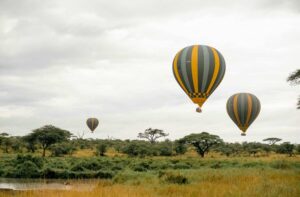
November — Good for the Right Traveller
November is a transitional month in Tanzania. The short rains arrive — usually lighter and more intermittent than the long rains of April and May. Showers tend to be short and intense, often in the afternoon, followed by clear skies. The landscape responds almost immediately, greening up beautifully within days of the first rains.
The migration herds are moving south through the eastern and central Serengeti during November, heading back towards the southern Ndutu plains where the calving season will soon begin again. The movement of hundreds of thousands of animals southward is an impressive sight.
For birdwatchers, November is one of Tanzania’s finest months. Migratory bird species arrive from Europe and Asia in large numbers to spend the northern winter in Tanzania. The green landscapes and dramatic skies also make November one of the best months for landscape photography.
- Safari: Good — herds moving south, green season wildlife dynamics, exceptional birdwatching
- Kilimanjaro: Below average — wet and unpredictable
- Zanzibar: Mixed — light rains but many dry days possible
- Crowds: Low — a peaceful, personal experience
- Prices: Lower — good deals available
December — Very Good (From Mid-Month)
December is a month of two halves in Tanzania. Early December can still see some light rainfall from the short rains, but from mid-December the weather improves significantly as the short dry season sets in. The first major wildebeest herds are arriving back at the Ndutu plains by December, setting the stage for the spectacular calving season that follows in January and February.
Zanzibar is at its most festive and beautiful from mid-December — warm, dry, and buzzing with Christmas and New Year visitors. Kilimanjaro is increasingly dry and climbable from the second half of December. Snow on the summit at this time of year creates spectacular views and a truly memorable summit experience.
The festive season means visitor numbers pick up in late December, particularly around Christmas and New Year. Book accommodation early if you are travelling during this period.
- Safari: Good and improving — herds returning to Ndutu, calving season approaching
- Kilimanjaro: Good from mid-month — beautiful snow-capped summit
- Zanzibar: Excellent from mid-month — festive, warm, and dry
- Crowds: Moderate — higher around Christmas and New Year
- Prices: Mid to higher — festive period premium
Tanzania Travel Seasons: Complete Month-by-Month Quick Reference
Use this table to compare all 12 months at a glance when planning your Tanzania trip:
| Month | Weather | Safari | Kilimanjaro | Zanzibar | Overall |
| January | Warm, dry | ⭐⭐⭐⭐⭐ | ⭐⭐⭐⭐⭐ | ⭐⭐⭐⭐⭐ | ⭐⭐⭐⭐⭐ |
| February | Hot, very dry | ⭐⭐⭐⭐⭐ | ⭐⭐⭐⭐⭐ | ⭐⭐⭐⭐⭐ | ⭐⭐⭐⭐⭐ |
| March | Dry early, rains mid | ⭐⭐⭐⭐ | ⭐⭐⭐ | ⭐⭐⭐ | ⭐⭐⭐⭐ |
| April | Heavy rains | ⭐⭐ | ⭐ | ⭐⭐ | ⭐⭐ |
| May | Heavy rains, clearing | ⭐⭐ | ⭐ | ⭐⭐ | ⭐⭐ |
| June | Dry, mild | ⭐⭐⭐⭐ | ⭐⭐⭐⭐ | ⭐⭐⭐⭐ | ⭐⭐⭐⭐ |
| July | Dry, cool | ⭐⭐⭐⭐⭐ | ⭐⭐⭐⭐⭐ | ⭐⭐⭐⭐⭐ | ⭐⭐⭐⭐⭐ |
| August | Dry, warm | ⭐⭐⭐⭐⭐ | ⭐⭐⭐⭐⭐ | ⭐⭐⭐⭐⭐ | ⭐⭐⭐⭐⭐ |
| September | Dry, warm | ⭐⭐⭐⭐⭐ | ⭐⭐⭐⭐⭐ | ⭐⭐⭐⭐⭐ | ⭐⭐⭐⭐⭐ |
| October | Dry, warming | ⭐⭐⭐⭐ | ⭐⭐⭐⭐ | ⭐⭐⭐⭐ | ⭐⭐⭐⭐ |
| November | Short rains | ⭐⭐⭐ | ⭐⭐ | ⭐⭐⭐ | ⭐⭐⭐ |
| December | Drying mid-month | ⭐⭐⭐⭐ | ⭐⭐⭐ | ⭐⭐⭐⭐⭐ | ⭐⭐⭐⭐ |
Best Time to Visit Tanzania by Activity
Tanzania offers very different experiences depending on what you are there to do. Here is our activity-by-activity guide to the best time to visit:
Best Time for a Tanzania Safari
The best time for a wildlife safari in Tanzania is during the long dry season — June to October. Here is why:
- Vegetation is sparse, making animals much easier to spot
- Animals concentrate around rivers and waterholes — predictable locations for game drives
- Dust and heat haze are minimal in the mornings and evenings
- Roads are dry and passable throughout all the national parks
- All lodges and camps are fully open
January and February are also excellent safari months — particularly for the wildebeest calving season in the southern Serengeti and for big cat sightings around Ndutu.
Explore all our Tanzania safari packages — from budget camping safaris to luxury lodge experiences — available throughout the dry season windows.
Best Time to Visit the Serengeti National Park
The Serengeti is rewarding to visit at any time of year, but different months offer very different experiences:
- January to March: Calving season in South Serengeti/Ndutu — best for big cats and newborn wildebeest
- June to early July: Grumeti River crossings in the Western Corridor
- July to October: Dramatic Mara River crossings in the Northern Serengeti — the iconic migration experience
- November to December: Herds returning south, lush green landscape, excellent birdwatching
Read our full guide to the Great Wildebeest Migration — when and where to see it in our detailed Serengeti destination page.
Best Time to Visit Ngorongoro Crater
Ngorongoro Crater is Tanzania’s most wildlife-dense area and is excellent to visit year-round. The crater walls protect it from the extremes of the rainy season. However, the best months are June to October (dry, animals concentrated, clear views down into the crater) and January to February (lush, green, great light for photography).
Learn more about what to expect on a Ngorongoro Crater game drive here.
Best Time to Visit Tarangire National Park
Tarangire is at its very best from July to October. As the dry season intensifies, thousands of elephants, zebra, wildebeest, and buffalo converge on the Tarangire River — the only permanent water source for a very wide area. This creates astonishing concentrations of wildlife. September and October in Tarangire are particularly spectacular for elephant viewing.
Discover more about Tarangire National Park and its famous elephant herds here.
Best Time to Visit Lake Manyara National Park
Lake Manyara is a compact but extraordinarily rich park, famous for its tree-climbing lions and massive flocks of flamingos. The best time to visit is June to October for general wildlife viewing. The lake level is highest after the rains, making flamingo sightings most spectacular from December to March when the shallow alkaline flats attract hundreds of thousands of birds.
Find out more about Lake Manyara National Park and the famous tree-climbing lions.
Best Time to Climb Kilimanjaro
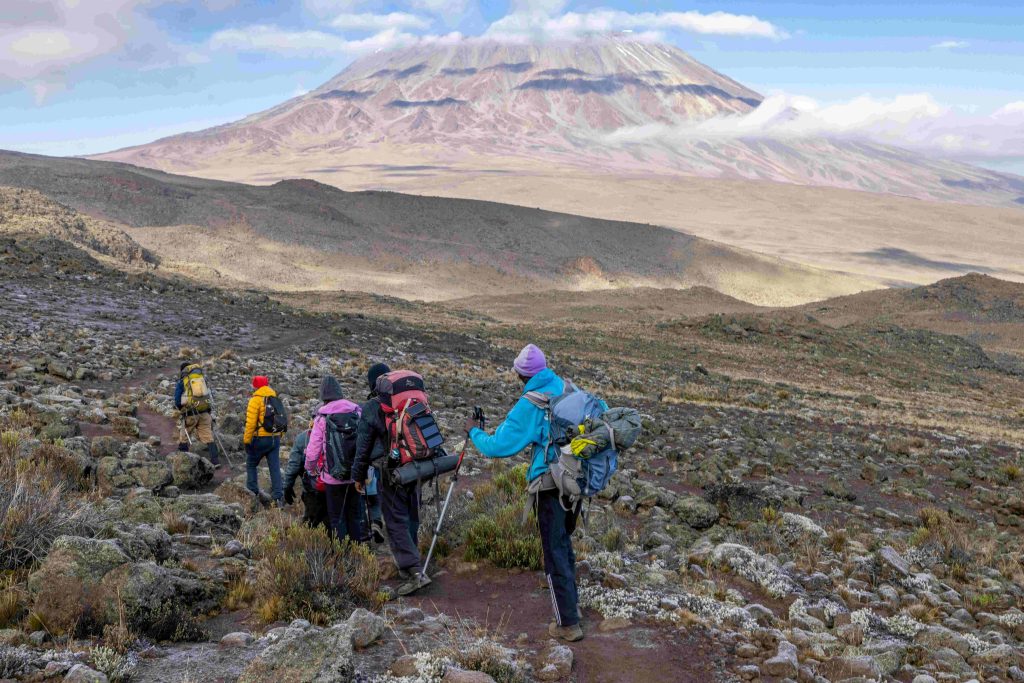
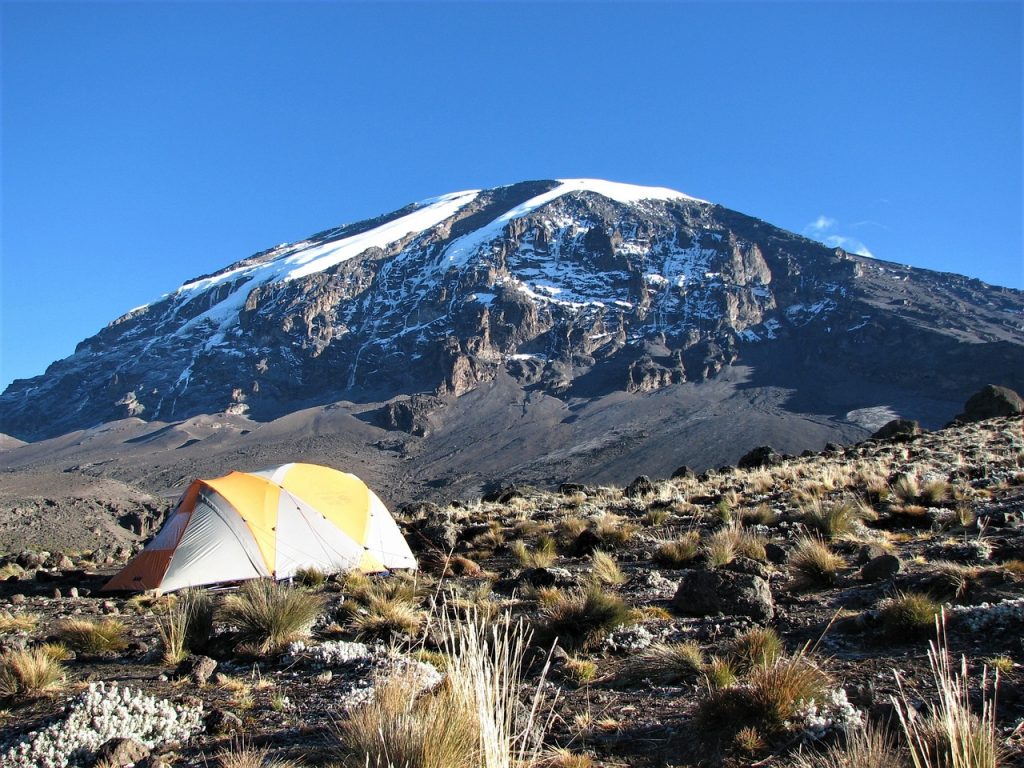
The two dry seasons are the best times to climb Kilimanjaro: January to mid-March and late June to October. Of these, January and February offer the warmest conditions on the lower slopes, while July to September provide the most stable weather overall. August has the clearest summit skies of the year. September is our top recommendation — outstanding conditions with fewer people on the mountain.
The months to avoid are April, May, and November when heavy or unpredictable rainfall makes the climb significantly harder and summit success rates drop.
- 7-Day Machame Route — View package — Most scenic route, best in Jan–Feb and Jul–Oct
- 8-Day Lemosho Route — View package — Our most recommended route, excellent all dry season
- 7-Day Rongai Route — View package — Best option for shoulder months — drier northern approach
- 8-Day Shira Route — View package — Remote western approach, best in Jul–Oct
Best Time to Visit Zanzibar
Zanzibar has two excellent beach seasons that align with Tanzania’s dry seasons:
- June to October (long dry season): The most popular time for beach holidays on Zanzibar. Dry, sunny, warm, and perfect for swimming and snorkelling. July and August can be slightly cooler and windier, which actually makes conditions ideal for kitesurfing at Paje Beach on the east coast.
- December to February (short dry season): Warm, sunny, and relaxed. This is the most tropical and lush season on Zanzibar. The sea is warm and calm, great for snorkelling around Mnemba Atoll.
The months to avoid for a Zanzibar beach holiday are April and May (heavy rains) and November (short rains, though often manageable).
Plan your Zanzibar beach holiday — explore our Zanzibar excursions and beach packages here including Nungwi, Kendwa, Mnemba Island, and Stone Town.

Best Time to Visit Tanzania by Activity: Quick Reference
| Activity | Best Months | Why |
| Tanzania Safari | Jun–Oct & Jan–Feb | Dry season: sparse vegetation, animals concentrated around water |
| Wildebeest Calving Season | Jan–Mar | Ndutu plains fill with newborn wildebeest and big cat action |
| Mara River Crossings | Jul–Sep | Peak Mara crossings in Northern Serengeti — the iconic spectacle |
| Grumeti River Crossings | Jun–Jul | Western Corridor Grumeti crossings — fewer crowds |
| Kilimanjaro Climbing | Jan–Mar & Jun–Oct | Dry trails, clear skies, and best summit success rates |
| Zanzibar Beach Holiday | Jun–Oct & Dec–Feb | Dry, sunny, warm sea — perfect swimming and snorkelling |
| Ngorongoro Crater | Jun–Oct & Jan–Feb | Dry season concentrates wildlife; Jan–Feb for lush scenery |
| Tarangire Elephants | Jul–Oct | Thousands of elephants converge on the Tarangire River |
| Birdwatching | Nov–Apr | Migratory species arrive — 1,000+ bird species in Tanzania |
| Budget/Green Season Travel | Apr–May & Nov | Lowest prices, empty parks, lush landscapes |
The Perfect Tanzania Trip: How to Combine Activities by Season
The Classic Tanzania Experience: Safari + Kilimanjaro + Zanzibar
The most popular Tanzania trip combines a northern safari circuit, a Kilimanjaro climb, and a Zanzibar beach holiday — and the best time for this combination is July to October, or January to February.
A typical two-week itinerary might look like this: fly into Arusha, spend four to five days on a northern circuit safari covering the Serengeti, Ngorongoro Crater, and Tarangire, then spend seven to eight days climbing Kilimanjaro, and finish with four to five days relaxing on Zanzibar. This combination gives you the full Tanzania experience.
Contact our team at Refresh Africa Tours and we will design a custom combined itinerary for you — get in touch here and tell us your dates and budget.
Best January to February Itinerary: Calving Season + Warm Zanzibar
January and February are perfect for pairing the wildebeest calving season in the Ndutu area with a warm, dry Zanzibar beach holiday. Start with three to four days on the Serengeti southern plains and Ndutu for calving season action, add a day at Ngorongoro Crater, then fly to Zanzibar for warm sunshine and turquoise water. Kilimanjaro is also excellent at this time if you want to include a climb.
Best July to September Itinerary: Mara River Crossings + All Parks
For the full peak season experience, combine the northern circuit (Serengeti, Ngorongoro, Tarangire, Lake Manyara) with a stay in the northern Serengeti specifically for the Mara River crossings. Then add Kilimanjaro if you want the mountain experience. Finish with Zanzibar for the perfect beach ending. This is the trip that most people dream of when they think of Tanzania.
Practical Information for Planning Your Tanzania Visit
Tanzania Visa and Entry Requirements
Most nationalities require a visa to enter Tanzania. You can apply for a Tanzania e-Visa online before you travel, which is the easiest and most reliable option. Apply at least two to four weeks before your travel date. Some nationalities can obtain a visa on arrival at Julius Nyerere International Airport in Dar es Salaam or Kilimanjaro International Airport. Our team is always happy to advise on current visa requirements.
Vaccinations and Health
Yellow fever vaccination is required if you are arriving from a yellow fever endemic country. Malaria is present in Tanzania — consult your doctor or travel health clinic about anti-malaria medication at least four to six weeks before your trip. Other recommended vaccinations include hepatitis A, typhoid, and tetanus. At altitude on Kilimanjaro, discuss altitude sickness medication with your doctor.
What Currency Does Tanzania Use?
The Tanzanian Shilling (TZS) is the official currency. US Dollars are widely accepted at lodges, camps, and tour operators — especially for larger payments. It is useful to carry some US Dollar cash for tips and smaller purchases. ATMs are available in Arusha, Dar es Salaam, and other major towns. Credit cards are accepted at most lodges but a fee often applies.
Getting to Tanzania
Most international visitors fly into Kilimanjaro International Airport (JRO) for the northern safari circuit and Kilimanjaro climbs, or Julius Nyerere International Airport in Dar es Salaam (DAR) for southern Tanzania and Zanzibar. Direct flights to Kilimanjaro are available from Amsterdam (KLM), Nairobi (Kenya Airways, Ethiopian), Addis Ababa (Ethiopian Airways), and Doha (Qatar Airways). Our team can advise on the best flight options from your home country.

How Long Should You Spend in Tanzania?
Tanzania rewards travellers who spend more time. We recommend a minimum of seven to ten days for a combined safari and Kilimanjaro experience, or ten to fourteen days if you want to include Zanzibar as well. If budget or time are limited, even three to four days on a focused safari circuit delivers an extraordinary wildlife experience.
Frequently Asked Questions About Visiting Tanzania
Is Tanzania safe for tourists?
Yes — Tanzania is one of Africa’s most stable and safe tourist destinations. The country has a long history of welcoming international visitors and tourism is one of Tanzania’s most important industries. Normal travel precautions apply, as they would in any country. Our guides and team are with you throughout your trip and ensure your safety at all times.
What is the weather like in Tanzania in July?
July is one of the best months to visit Tanzania. The long dry season is fully established — days are warm (around 25–28°C / 77–82°F), skies are clear, and there is very little rainfall. Mornings and evenings can be cool, especially at altitude or on game drives. It is ideal weather for safari, Kilimanjaro, and Zanzibar.
Can I visit Tanzania on a budget?
Yes, absolutely. Tanzania has options for every budget. Camping safaris in the national parks are significantly more affordable than lodge safaris and still deliver outstanding wildlife experiences. Budget Kilimanjaro packages are available on all routes. Zanzibar has accommodation options from boutique guesthouses to world-class resorts. Contact us and we will find options that match your budget.
Is Tanzania good for families with children?
Tanzania is an excellent family destination. Children are welcomed warmly across Tanzania’s culture and the wildlife experiences — especially seeing elephants, lions, and giraffes up close — are life-changing for young people. We recommend a minimum age of around five to six for game drives. For Kilimanjaro, a minimum age of ten is generally recommended for the shorter day hikes, while full summit attempts are best for teenagers and above.
What language is spoken in Tanzania?
Swahili (Kiswahili) is the national language and is spoken by nearly everyone in Tanzania. English is widely spoken in tourism, hotels, national parks, and by all our guides at Refresh Africa Tours. You will have no language barrier as a visitor. Learning a few Swahili words — like ‘Jambo’ (Hello) and ‘Asante’ (Thank you) — is warmly appreciated by local people.
Do I need travel insurance for Tanzania?
Yes — travel insurance is essential for Tanzania. Your policy must cover medical evacuation from remote areas, which can be expensive if required. If you are climbing Kilimanjaro, your insurance must specifically cover high-altitude trekking. Check your policy carefully before you travel and ensure your coverage includes the activities you are planning to do.
Start Planning Your Tanzania Adventure Today
Tanzania is one of those places that changes you. Whether you are watching a thousand wildebeest thunder across the Mara River, standing on the roof of Africa at Uhuru Peak, or floating in the warm turquoise water off a Zanzibar beach — every moment in this country is extraordinary.
At Refresh Africa Tours, we are a locally owned and operated company based right here in Arusha, Tanzania. Our experienced team of safari guides, Kilimanjaro experts, and travel planners will help you choose the perfect time, design the ideal itinerary, and make your Tanzania dream a reality — whatever your budget, timeline, or interests.
Browse our Tanzania safari packages — from day trips to full northern circuit adventures.
Explore our Kilimanjaro climbing routes — we guide every route with expert local crews.
Plan your Zanzibar beach holiday — the perfect end to any Tanzania adventure.
Contact our team today — we respond within 24 hours and love helping travellers plan their perfect Tanzania trip.
Written by the team at Refresh Africa Tours — Tanzania’s locally owned experts in wildlife safaris, Kilimanjaro climbing, and Zanzibar holidays. Based in Arusha, Tanzania since day one.