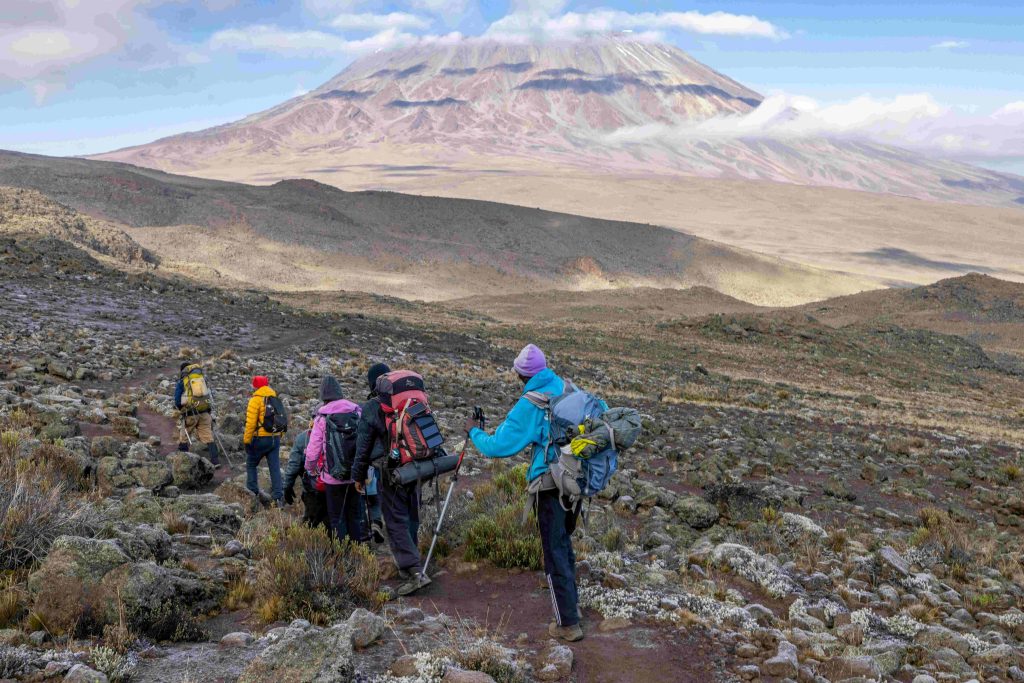
What to Pack for Kilimanjaro: The Essential Gear Checklist
Climbing Mount Kilimanjaro is one of the greatest adventures you can have in Africa. But before you take your first step on the mountain, there is one very important question: what should I pack?
Packing the right gear for Kilimanjaro can make the difference between a successful summit and a very uncomfortable climb. Pack too little and you will be cold, wet, or unprepared. Pack too much and your bag will be too heavy.
This complete Kilimanjaro packing list covers everything you need — from the right clothes to boots, sleeping gear, medicine, and more. We have put this guide together based on years of guiding climbers up Africa’s highest peak here at Refresh Africa Tours.
Ready to start planning your climb? Browse our Kilimanjaro climbing packages here and we will take care of the rest.
Why Packing Right Matters on Kilimanjaro
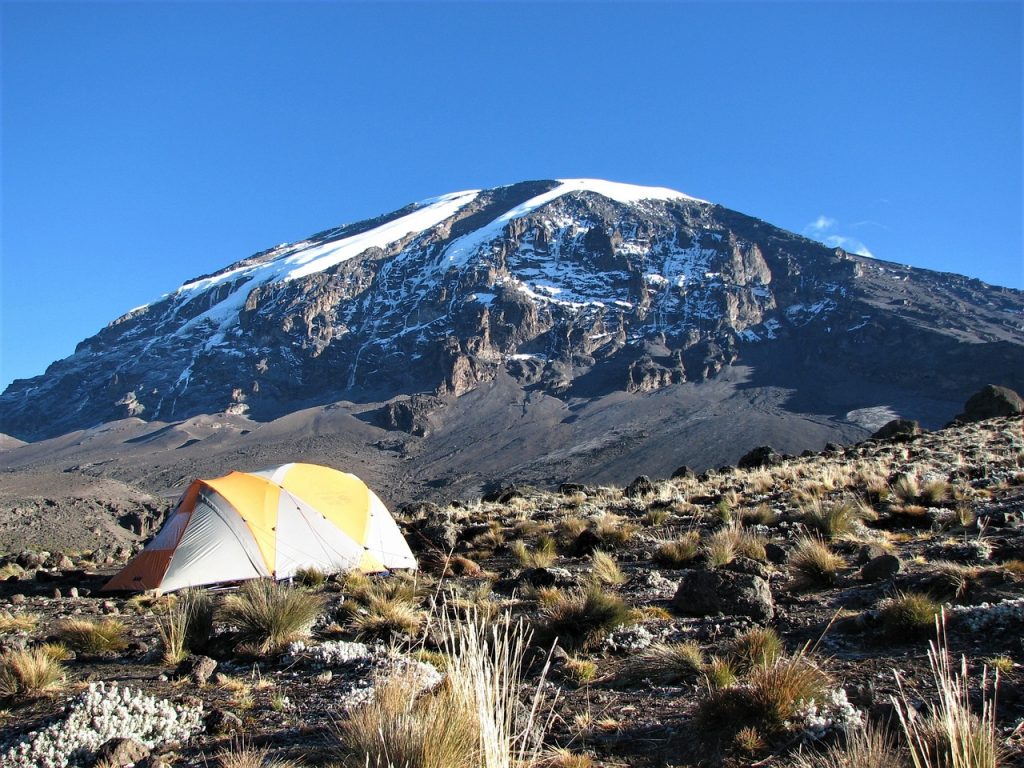
Kilimanjaro is not a technical climb — you do not need ropes or ice axes. But it is still a serious mountain. The summit, Uhuru Peak, sits at 5,895 metres (19,341 feet) above sea level. At that altitude, temperatures can drop to -20°C (-4°F) and winds can be very strong.
The mountain also passes through five different climate zones as you climb — from tropical rainforest at the base to an arctic summit. This means you will experience very different weather conditions within the same trip.
Good gear keeps you warm, dry, and comfortable. It also helps your body handle the altitude better so you can reach the summit.
Clothing: What to Wear on Kilimanjaro
The most important clothing rule on Kilimanjaro is layering. You wear multiple thin layers instead of one thick layer. This way you can add or remove clothes depending on the temperature.
Base Layer (Worn Closest to Your Skin)
Your base layer keeps your body dry by pulling sweat away from your skin. Choose materials like merino wool or synthetic fabrics — not cotton. Cotton stays wet and makes you cold.
- 2–3 long-sleeve moisture-wicking shirts
- 2–3 pairs of moisture-wicking thermal underwear / leggings
- 4–5 pairs of wool or synthetic hiking socks
- Lightweight liner gloves (for inner warmth)
Mid Layer (For Warmth)
This is your warmth layer. You wear it over your base layer when it gets cold.
- 1–2 fleece jackets or hoodies
- 1 pair of fleece or insulated trousers
- Warm mid-layer gloves
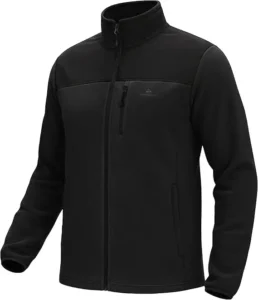
Outer Layer (Shell Layer — Wind and Rain Protection)
This layer protects you from wind, rain, and snow. It must be waterproof and breathable.
- 1 waterproof and windproof jacket (with hood)
- 1 waterproof over-trousers
Summit Layer (Warmest Clothes — Only for Summit Night)
Summit night is the coldest part of the climb. You will leave camp around midnight when temperatures are at their lowest. This is when you use your warmest gear.
- 1 down jacket or heavy insulated jacket
- Heavyweight gloves or mittens
- Balaclava (covers face and neck)
- Warm hat / beanie
- Neck gaiter or scarf
- Gaiters (to keep snow out of your boots)
Other Clothing Items
- 2–3 pairs of hiking trousers (avoid jeans)
- 2 T-shirts (for warmer lower zones)
- 1 pair of shorts (optional, for lower rainforest section)
- Underwear — 4–5 pairs, quick-dry material
- Sun hat or wide-brim hat (for daytime)
Local Tip: Many climbers overpay for gear at home. If you are arriving in Arusha before your climb, we can help you find quality gear at reasonable prices locally. Contact us at https://refreshafricatours.com/contact/
Footwear: Choosing the Right Boots for Kilimanjaro
Your boots are the single most important item in your Kilimanjaro packing list. Bad boots cause blisters, wet feet, and sore ankles.
Hiking Boots
- Waterproof, ankle-supporting trekking boots — these are a must
- Boots must be well broken-in before your climb (wear them for at least 3–4 weeks before the trip)
- Vibram or rubber soles give you good grip on rocky and muddy trails
Other Footwear
- 1 pair of camp shoes or sandals (for wearing around camp to rest your feet)
- 1 pair of lightweight trainers (for travel days)
Important: Never wear brand-new boots on Kilimanjaro. Blisters from new boots have stopped many climbers before reaching the summit. Break your boots in early!
Sleeping Gear
Nights on Kilimanjaro are cold, especially at higher altitudes. A warm sleeping bag is essential.
Sleeping Bag
- A 4-season sleeping bag rated to at least -10°C (14°F) is recommended
- Down bags are lighter and warmer; synthetic bags work better when wet
Sleeping Mat / Liner
- A sleeping bag liner adds extra warmth inside your sleeping bag
- Most camps provide sleeping mats, but check with your operator first
When you book a Kilimanjaro climb with Refresh Africa Tours, we provide tents and sleeping mats for all camping routes. Check your specific package for details.
Bags and Packs
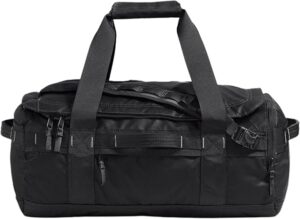
Duffel Bag (For Your Porter)
Your main gear is carried by your porter inside a duffel bag. This frees you to hike comfortably with just a light daypack.
- 1 large duffel bag — 80 to 100 litres is ideal
- It should be soft-sided (not a rigid suitcase) so porters can carry it easily
- Most operators have a porter weight limit of 15 kg (33 lbs) — check in advance
Daypack (What You Carry Yourself)
You hike each day with a small daypack on your back. It should contain your water, snacks, camera, extra layers, and rain gear.
- 1 daypack — 25 to 35 litres is the right size
- A rain cover for your daypack
Water and Hydration
Staying hydrated on Kilimanjaro is very important. Dehydration makes altitude sickness worse and reduces your energy levels.
- 2–3 litres water capacity — use a hydration bladder or water bottles
- Water purification tablets (as a backup)
- Insulated water bottle to prevent water from freezing at altitude
Tip: Drink at least 3–4 litres of water per day on the mountain. The saying on Kilimanjaro is: ‘Drink before you are thirsty.’
Altitude Sickness Medication and Medical Essentials
Altitude sickness (also called Acute Mountain Sickness or AMS) is the most common reason climbers turn back before the summit. At high altitude, there is less oxygen in the air, and your body needs time to adjust.
Always consult your doctor before your trip about altitude medication. Here is what most Kilimanjaro climbers pack:
Altitude Sickness Prevention
- Diamox (Acetazolamide) — the most common medication prescribed for altitude sickness. Ask your doctor about the right dosage for you.
- Ibuprofen — helps with headaches caused by altitude
- Dexamethasone — a stronger steroid sometimes prescribed for severe altitude sickness (ask your doctor)
First Aid / Personal Medical Kit
- Plasters and blister treatment (Compeed is excellent for blisters)
- Paracetamol / ibuprofen for pain and headaches
- Throat lozenges (cold, dry air can make your throat very sore)
- Anti-diarrhoea medication (e.g. Imodium)
- Rehydration sachets (e.g. Dioralyte)
- Antiseptic wipes and cream
- Lip balm with SPF (lips dry and crack at altitude)
- Sunscreen — SPF 50+ (UV radiation is much stronger at altitude)
- Eye drops (dry eyes are common)
- Any personal prescription medications
At Refresh Africa Tours, all our guides carry supplemental oxygen and a pulse oximeter (to monitor your blood oxygen levels) on every climb. Your safety is always our top priority.
Trekking Poles
Trekking poles are strongly recommended for Kilimanjaro. They reduce the strain on your knees going downhill and help you balance on rocky and steep sections of the trail.
- 1 pair of adjustable trekking poles with carbide tips
- Collapsible poles pack away easily when not in use
Electronics and Accessories
- Headtorch / headlamp with extra batteries — essential for summit night (you leave at midnight)
- Spare batteries or a power bank (cold temperatures drain batteries fast)
- Camera — compact cameras or smartphones with a good camera work well
- Solar charger or power bank (there is no electricity on the mountain)
- Universal travel adaptor (for charging in Arusha before and after the climb)
Sun Protection
The sun is much stronger at altitude. Many climbers get sunburned without realising it, especially when surrounded by snow near the summit.
- Sunscreen — SPF 50+ for face, neck, and hands
- UV-protection sunglasses — very important at high altitude
- Lip balm with SPF protection
- Sun hat for daytime hiking
Toiletries and Personal Hygiene
Keep your toiletries minimal and light. You will be using camp facilities (toilet tents) throughout the climb.
- Travel-size toothbrush and toothpaste
- Biodegradable soap and shampoo (to protect the mountain environment)
- Hand sanitiser — use it regularly to avoid stomach bugs
- Baby wipes / wet wipes (for washing when water is not available)
- Toilet paper (although this is usually provided, bring your own as backup)
- Small travel towel
- Female hygiene products if needed
Documents and Money
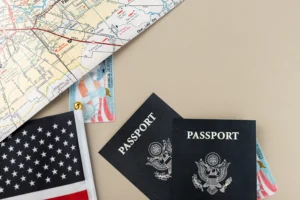
- Passport (valid for at least 6 months from travel date)
- Tanzania visa or eVisa — apply online before travel at eservices.immigration.go.tz
- Travel insurance documents — must cover high-altitude trekking and emergency evacuation
- Yellow fever vaccination certificate (may be required depending on your country)
- Emergency contact details written on paper
- Cash in USD or Tanzanian Shillings for tips and small purchases
Tipping your Kilimanjaro crew is an important tradition. Guides, assistant guides, cooks, and porters all depend on tips as part of their income. Ask your operator for recommended tipping amounts.
What NOT to Pack for Kilimanjaro
Knowing what to leave behind is just as important as knowing what to bring. Here are items that are either unnecessary or not allowed:
- Jeans or cotton clothing — they get wet and do not dry quickly
- Perfume or strong-smelling products — can attract animals and disturb wildlife
- Drones — not permitted in national parks without a special permit
- Heels or non-hiking footwear — impractical and dangerous on the mountain
- Excess electronics or valuables — keep it simple and light
Kilimanjaro Packing List: Quick Reference Table
| Category | Essential Items | Priority |
| Clothing | Base layers, fleece, waterproof jacket & trousers, down jacket | Must Have |
| Footwear | Waterproof trekking boots (broken in), camp shoes | Must Have |
| Sleeping | -10°C sleeping bag, sleeping bag liner | Must Have |
| Bags | Duffel bag (80–100L), daypack (25–35L) with rain cover | Must Have |
| Hydration | 2–3L water capacity, water purification tablets | Must Have |
| Health | Diamox, blister kit, sunscreen SPF50+, first aid kit | Must Have |
| Accessories | Headtorch + spare batteries, trekking poles, sunglasses | Must Have |
| Documents | Passport, visa, travel insurance, cash for tips | Must Have |
| Optional | Camera, solar charger, extra entertainment for camp | Nice to Have |
Which Kilimanjaro Route Are You Taking?
The best packing list also depends on your chosen route. Different routes have different weather, duration, and terrain. Here is a quick overview of the routes we offer at Refresh Africa Tours:
- Machame Route (7 Days) — View the Machame Route package — The most popular route, known as the ‘Whiskey Route’. Great scenery, higher success rate due to good acclimatisation profile.
- Lemosho Route (8 Days) — View the Lemosho Route package — Our most recommended route. Longer for better acclimatisation, less crowded, stunning views.
- Rongai Route (7 Days) — View the Rongai Route package — The only route approaching from the north. Drier and less busy — great for a quieter experience.
- Shira Route (8 Days) — View the Shira Route package — Starts at high altitude and offers a remote, scenic western approach.
Combine Kilimanjaro with a Tanzania Safari
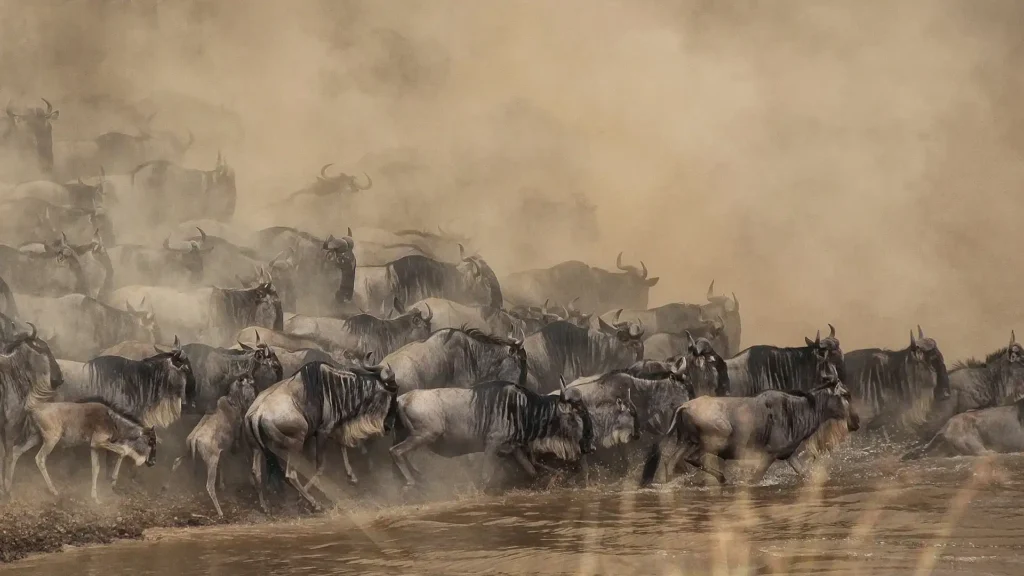
Many of our climbers combine their Kilimanjaro adventure with a Tanzania safari or a Zanzibar beach holiday — and it is the perfect way to experience everything Tanzania has to offer.
After your summit, relax with a Tanzania safari in the Serengeti or Ngorongoro Crater — or unwind on the beautiful beaches of Zanzibar.
Explore our Zanzibar beach packages here to add the perfect ending to your Kilimanjaro adventure.
Frequently Asked Questions About Kilimanjaro Packing
Do I need to buy all my gear before coming to Tanzania?
No! Arusha has many gear shops where you can buy or rent quality trekking equipment at reasonable prices. If you are on a budget, you can rent items like sleeping bags, trekking poles, and jackets locally. Let us know and we can guide you.
Can I rent gear from Refresh Africa Tours?
Yes, we can help you arrange gear rental in Arusha before your climb. Contact us here and we will advise you on what you can rent and what you should bring from home.
What is the porter bag weight limit?
The standard porter weight limit on Kilimanjaro is 15 kg (33 lbs) for your duffel bag. Your daypack (what you carry yourself) is not included in this limit. Packing light is always better — your porter will thank you too!
What is the best time to climb Kilimanjaro?
The best months to climb Kilimanjaro are January to March and June to October. These are the driest periods with the clearest skies. The rainy season (April–May and November) makes the trails wetter and visibility lower.
Is Kilimanjaro safe for beginners?
Yes! Kilimanjaro does not require any technical climbing skills. However, you do need a good level of fitness and a positive attitude. The most important thing is to go slowly, stay hydrated, and listen to your guide. Our experienced local guides will be with you every step of the way.
Ready to Climb Kilimanjaro?
Now that you know exactly what to pack for Kilimanjaro, the next step is to start planning your climb. At Refresh Africa Tours, we are a locally owned and operated company based in Arusha, Tanzania. Our experienced guides have helped hundreds of climbers reach the summit safely.
We offer Kilimanjaro climbing packages on all major routes including Machame, Lemosho, Rongai, and Shira. All our packages include experienced guides, cooks, porters, camping equipment, and park fees.
Contact us today to plan your Kilimanjaro climb — and let us help you reach the Roof of Africa!
Browse all Kilimanjaro route packages here.
Explore Tanzania safari packages to combine with your climb.